
Powered By



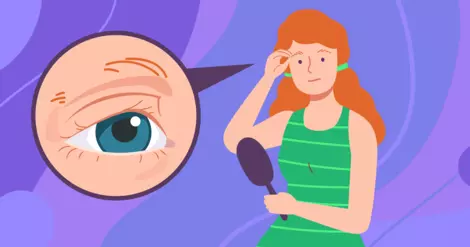
While it’s common for people to see their hairlines recede slightly as they age, not all hair recession is linked to getting older. Frontal fibrosing alopecia (FFA) is another potential cause of hair loss affecting the sides and front of your scalp. It can also affect your eyebrows, eyelashes, and other areas of the body.
Keep reading to learn about FFA symptoms, causes, and treatments, including how to manage the condition and slow its effects.
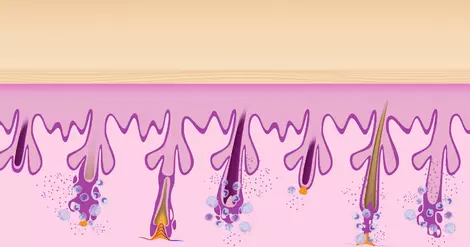
FFA is a type of scarring alopecia, also called cicatricial alopecia. This condition can damage your hair follicles, often because of inflammation. Scar tissue grows where the follicles used to be. Once the follicles are destroyed, hair can’t grow there, so hair loss due to FFA is usually permanent.
FFA is considered a subtype of another condition called lichen planopilaris. Lichen planopilaris is believed to be an autoimmune disorder. In an autoimmune disorder, your immune system targets and destroys cells in your body instead of protecting them. In this case, the targets are your hair follicles.
Not all cases of FFA are related to autoimmune issues. Researchers think hormonal changes and genetics may also be involved. FFA often develops after menopause and can run in families. Some doctors think prior surgeries, such as hair transplants or facelifts, may play a role, but more research is needed.
FFA isn’t caused by poor hair care, and it isn’t contagious. No one can catch it from being around you.
FFA can affect anyone, but those most likely to develop this condition are postmenopausal women over 50. Cleveland Clinic notes that women of African descent may experience FFA symptoms earlier, often in their 40s. FFA is uncommon in males.
Factors that may increase the risk of developing FFA include having other conditions, such as type 2 diabetes, rosacea, or thyroid issues. People who have a family member with FFA may also be at higher risk.
Some researchers think that certain environmental factors may cause people to develop FFA, especially if it runs in their families. For example, sun exposure, certain medications, pollutants, and sunscreen use have been studied as possible triggers, but more research is needed.
FFA can affect people in different ways, but in general, the most common symptoms are:
In rare cases, white hairs may be replaced by hairs in their original color.
FFA is often confused with other types of hair loss, such as traction alopecia (hair loss due to pulling on the scalp) and androgenetic hair loss (hereditary baldness). But there are a few key differences between FFA and these conditions.
In traction alopecia, small or broken hairs may stay on the head at the site of traction, and the eyebrows aren’t involved. But eyebrow loss is common in FFA. In addition, hairs don’t break off in FFA — they fall out in a symmetrical pattern.
In androgenetic hair loss, most people don’t lose hair in a bandlike pattern, whereas in FFA, they do. This means the area of hair loss looks like a band of bald skin. According to the Trichological Society, a professional organization focused on hair and scalp disorders, androgenetic hair loss in women usually affects the top of the head. However, it affects the frontal hairline in FFA.
It’s possible to have more than one type of alopecia. That’s why it’s important to see a dermatology expert and get an accurate diagnosis.
If your doctor thinks you may have FFA, a dermatologist or other healthcare provider will examine your scalp. They’ll carefully look at your eyebrows, head, and hairline, possibly using a lighted magnifying glass called a dermoscope. They’ll ask when you noticed symptoms, whether you have a family history of hair loss, what other conditions you have, and which medications you take.
If the doctor isn’t sure whether you have FFA or another condition, they may perform a scalp biopsy. This involves removing a small piece of tissue from your head and looking at it under a microscope.
It’s important to see a doctor as soon as you notice any signs of hairline changes, discoloration, itching, or other symptoms. Once follicles are scarred, regrowth is unlikely. Early detection may allow your doctor to develop a treatment plan before hair loss is permanent. This may help slow the condition and preserve the hair you have.
Although there’s no cure for FFA, treating the condition can help reduce inflammation and stop ongoing hair loss. Treatment may also help relieve other symptoms, such as pain or itching. There’s no one-size-fits-all treatment strategy, and many people may use a combination of FFA therapies. These may include off-label treatments, meaning medications used to treat a condition for which the FDA has not specifically approved them:
Laser therapy may also help reduce symptoms like itching or pain.
Response to treatment varies from person to person, and patience is important. Most people don’t see results for six to 18 months.
If your treatment plan stabilizes your FFA, you may want to ask your doctor if you’re a candidate for hair transplantation. Keep in mind, however, that transplantation may fail if inflammation continues after treatment.
Hair is often a big part of self-image, so living with alopecia may affect your quality of life. Coping with this condition may involve using self-care strategies to make FFA symptoms less noticeable. This can include:
Living with FFA can be isolating. Some people find that joining a support group helps them learn tips and strategies from others with FFA. It may also help you feel less alone.
If you find yourself anxious or depressed about life with FFA, talk to your doctor. They can connect you with a mental health professional who will work with you on strategies to improve your outlook and reduce stress.
It’s important to consult a doctor with expertise in alopecia as soon as you notice any hair changes. With early diagnosis and treatment, you may be able to slow FFA and keep the hair you have. Although hair loss from FFA is often permanent, treatment can help manage symptoms and prevent further loss. Your doctor can help you find the approach that works best for you.
On MyAlopeciaTeam, people share their experiences with alopecia, get advice, and find support from others who understand.
How have you managed hairline recession or eyebrow hair loss with FFA? Let others know in the comments below.
Get updates directly to your inbox.


 Continue with Facebook
Continue with Email
Continue with Facebook
Continue with Email
Continue with Facebook
Continue with Email
Continue with Facebook
Continue with Email
Become a member to get even more





 Join
Join

 Your Privacy Choices

This is a member-feature!
Sign up for free to view article comments.
We'd love to hear from you! Please share your name and email to post and read comments.
You'll also get the latest articles directly to your inbox.