
Powered By



Getting a new diagnosis can bring some challenges, such as finding a doctor who knows how to treat your condition effectively. This is often the case with alopecia areata, which causes patchy hair loss that may worsen over time.
Unlike other types of hair loss, alopecia areata is an autoimmune disease that can be unpredictable. Although there’s a strong chance that your hair will grow back on its own, you may lose your hair again later. A reliable healthcare provider can guide you through these changes to help you better understand your condition and feel more confident in your treatment.
Not sure where to start when looking for a doctor for alopecia areata? Use this guide to find a doctor or complete your care team.
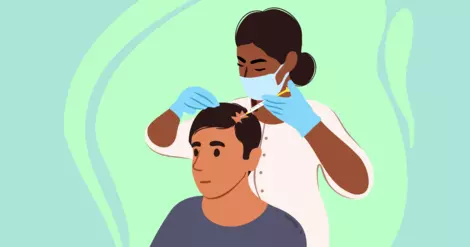
There are clinics specifically for people experiencing hair loss, including alopecia areata. Instead of covering the entire scope of dermatology, hair loss clinics focus specifically on hair loss and scalp disorders.
Hair loss clinics can evaluate your hair loss pattern and medical history to confirm whether your hair loss is due to alopecia areata. Specialists at a hair loss clinic can help you identify any hair loss triggers that cause your alopecia areata to flare. They can also provide the latest and most advanced treatments for hair loss, including:
You can find a hair loss clinic near you by using a search engine or looking in your local phone book. There are often specific hair loss clinics associated with academic medical centers.
It can also be helpful to search for board-certified dermatologists in your area. Dermatologists have years of schooling and training in diagnosing and treating conditions that affect the skin, hair, and nails.
Dermatologists who are board-certified may also have the letters “FAAD” following their name. These letters mean the dermatologist is a fellow of the American Academy of Dermatology. To earn this title, a dermatologist must have:
Board-certified dermatologists must also keep up with new and emerging research in their field. They’re regularly tested on what they learn and must either pass the board exam every 10 years or participate in ongoing self-assessments that are overseen by the board.
When you visit a board-certified dermatologist for your alopecia areata, you can rest assured that your doctor is very knowledgeable about scalp and skin care. Their training is up to date, and they’re familiar with the latest alopecia areata treatment options available.
Click on the types of specialists below to learn more about each.
You probably have a doctor you see for most of your basic medical needs. Primary care providers can take care of many nonemergency medical issues, and they can also provide preventive care that helps you stay healthy.
One major benefit of having a trusted primary care provider is that they can make referrals to specialists with more in-depth knowledge about specific medical conditions. Over the years, a primary care provider can get to know you well and can refer you to specialists who meet your needs, beliefs, and preferences.
Some organizations offer online tools that allow you to search for specialists in your area. These organizations do some of the vetting for you — you’ll often find only board-certified providers through these tools. You can find online specialist search tools from these accredited organizations:
The American Academy of Dermatology has an online search engine for board-certified dermatologists that you can use. With this tool, you can search for dermatologists by ZIP code, city, or state. You can also narrow down your search by looking for dermatologists that focus on hair loss, alopecia areata, or a specific hair loss treatment.
The National Alopecia Areata Foundation has a similar doctor finder tool you can use. This tool provides listings of board-certified dermatologists, dermatology nurse practitioners (NPs), and physician assistants specializing in diagnosing and treating alopecia areata. All of the healthcare providers you’ll find here are accepting new patients, and you can check to make sure they accept your insurance.
You might be interested in joining a support group after receiving an alopecia areata diagnosis. Support groups can help you feel less alone as you start to lose your hair for the first time. They provide a space for you to share your experiences with others who understand and share tips for coping with your alopecia.
Being in a support group may also help you connect with providers you might not have found otherwise. Other members in your group might share information about the providers and treatments that have helped them the most. However, you should be cautious about taking medical advice from nonmedical professionals.
You can find online or in-person support groups in a few ways. Your primary care provider may be able to point you in the right direction, or you might find a support group through a mental health provider. The National Alopecia Areata Foundation also has a list of support contacts that you can search to find alopecia areata support groups and resources in your area.
While searching for a doctor for alopecia areata, you can take your time to find a provider who feels like a good fit. You might have to attend multiple “first visits” as you consider your options.
If you’re visiting a new dermatologist for the first time, you will probably undergo an exam. Your dermatologist will want to examine your scalp and evaluate you for other alopecia areata symptoms, such as pitted nails. They might also run some tests, such as a hair pull test, which tests to see if your hair loss is active.
You can make these initial visits go smoothly by gathering important documents and taking other steps to prepare. Be sure to:
On MyAlopeciaTeam, people share their experiences with alopecia, get advice, and find support from others who understand.
What steps did you take while finding a doctor for alopecia areata? Let others know in the comments below.
Get updates directly to your inbox.




 Continue with Facebook
Continue with Email
Continue with Facebook
Continue with Email
Continue with Facebook
Continue with Email
Continue with Facebook
Continue with Email
Become a member to get even more





 Join
Join

 Your Privacy Choices

This is a member-feature!
Sign up for free to view article comments.
We'd love to hear from you! Please share your name and email to post and read comments.
You'll also get the latest articles directly to your inbox.