
Powered By



Losing hair because of alopecia areata can make you wonder why this is happening or what may have triggered it. Hair loss happens when your immune system attacks your hair follicles. The good news is that hair often grows back, although it may fall out again later.
If you’re not losing hair right now, doctors believe certain triggers may still lead to more hair loss in the future. In some cases, no clear trigger is found.
In this article, we’ll discuss possible triggers and the underlying causes of alopecia areata.
Alopecia areata is an autoimmune disease. In an autoimmune disease, the immune system mistakenly attacks healthy parts of the body. In alopecia areata, this happens in the hair follicles, which can cause hair loss. The immune system can also affect the nails, causing changes like pitting, brittleness, or roughness.
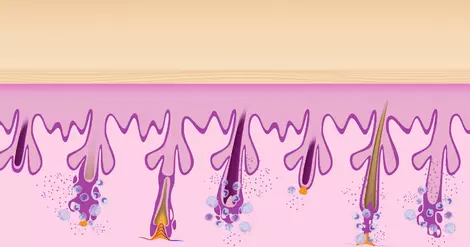
If you have alopecia areata, your immune system causes inflammation in and around your hair follicles. This disrupts the normal hair growth cycle and can cause hair to stop growing too soon and fall out. The follicles then move into a resting phase, when they are not growing hair. But they can start working again later, which is why alopecia areata hair loss is rarely permanent, especially in people with small patchy areas of hair loss.
Autoimmune diseases often appear together. Having another autoimmune disease, like type 1 diabetes or lupus, is a risk factor for alopecia areata. That doesn’t mean that one condition causes the other but, instead, points to the underlying immune system activity as a cause of alopecia areata.
As an autoimmune disease, alopecia areata isn’t contagious. You can’t catch it from someone you know who has it. However, your genetics, which are passed down through your family, can put you at risk. If you have a blood relative with the condition, you may be more likely to develop it and to develop it at an earlier age.
You inherit specific genes from your parents when you’re born. Some of those genes can increase your risk for hair loss, including genes that affect how the immune system works and can lead to alopecia areata. It’s also possible to inherit those genes and never develop alopecia areata. Whether you develop alopecia areata likely depends on a mix of inherited genes and environmental triggers. Let your doctor know if your family history includes alopecia areata.
You can develop alopecia areata at any age, but it most often starts between the teen years and your 30s. In the United States, about 20 percent of people with alopecia areata are under 18, and the condition is a common cause of hair loss in children.
Alopecia areata also affects people of all races and genders. While your race, gender, and age may not affect your risk by much, the following are factors that can increase your risk or may trigger alopecia areata.
Researchers have linked some viruses to alopecia areata. Some viral infections, including COVID-19, have been reported as possible triggers for alopecia areata or flare-ups in some people. A viral infection may cause your alopecia areata hair loss to come back after your hair starts growing again.
Other viral illnesses that may trigger alopecia areata include:
One theory that might explain how viruses can trigger alopecia areata is that viral infections cause your body to produce large amounts of interferons. Interferons are signaling proteins your body makes to help fight infections. They can influence how your immune system works, which may trigger alopecia areata in some cases.
Some research suggests stress may play a role in alopecia areata, but the connection is still being studied.
When you’re under emotional stress, your body releases substances called corticotropin-releasing hormone (CRH) and substance P (SP). Research has found a link between these substances and alopecia areata because both can affect hair follicles and hair growth. More research is needed to confirm this link and help develop treatments for stress-related alopecia areata.
Some studies have found a connection between heavy smoking and alopecia areata. Researchers have found that smoking for over 10 years, or smoking more than five cigarettes a day, can increase your risk of developing alopecia areata.
The reason for this connection is still being studied. We know that smoking increases inflammation throughout your body. This ongoing inflammation might contribute to the development of alopecia areata or other autoimmune diseases.
We’ve already discussed one hormone called CRH and its possible role in triggering alopecia areata, but it isn’t the only hormone that can play a role. Thyroid disease is linked to alopecia areata, and thyroid problems can also affect hair growth.
Thyroid hormones support the growth and survival of your hair follicles, which is one reason why your hair follicles may be sensitive to hormone imbalances like hypothyroidism (low thyroid hormones) and hyperthyroidism (high thyroid hormones). These hormones also play important roles in skin cell growth and regulating inflammation.
Having one autoimmune disorder increases your risk of developing another. You’re at a higher risk of developing alopecia areata if you already have one of these autoimmune conditions:
Some conditions involve the immune system but aren’t considered autoimmune diseases. Asthma, hay fever, and atopic dermatitis also increase your risk of alopecia areata.
While some cancer treatments cause hair loss as a side effect, others may trigger alopecia areata or alopecia universalis. This type of alopecia causes head, face, and body hair loss.
According to the American Academy of Dermatology, between 1 percent and 2 percent of people taking the cancer drug nivolumab may develop alopecia areata. Having hair loss while on this medication may be a sign that the medication is working.
Doctors haven’t found evidence that specific foods, drinks, or eating habits cause or trigger alopecia areata. Still, a balanced diet can support healthy hair and help prevent hair loss linked to low levels of nutrients like protein or iron. Some research also suggests that drinking a lot of alcohol or sugary drinks may be linked to a higher risk of hair loss in general. Talk with your doctor to make sure you’re getting the vitamins and minerals your body needs for healthy hair.
Talk to your healthcare provider or dermatologist if you notice new or worsening hair loss. If you have patchy hair loss or other early signs of alopecia areata, a dermatologist can examine your scalp, diagnose the condition, or recommend tests to rule out other causes. They’ll also consider your risk factors.
On MyAlopeciaTeam, people share their experiences with alopecia, get advice, and find support from others who understand.
Do you have family members with alopecia or other risk factors that might contribute? Let others know in the comments below.
Get updates directly to your inbox.


How do you stop the autoimmune disease ?


 Continue with Facebook
Continue with Email
Continue with Facebook
Continue with Email
Continue with Facebook
Continue with Email
Continue with Facebook
Continue with Email
Become a member to get even more





 Join
Join


 Your Privacy Choices

This is a member-feature!
Sign up for free to view article comments.
What is it called when it’s alopecia after having chemo
My hair was to my waist. Now after 3 years it’s almost to my shoulders but have huge bald spots on crown of head and all hairs together it’s… read more
We'd love to hear from you! Please share your name and email to post and read comments.
You'll also get the latest articles directly to your inbox.