
Powered By



About seven million people in the United States have alopecia areata, an autoimmune condition that causes hair loss. It’s the second most common type of hair loss, following androgenetic alopecia, or male and female pattern baldness.
This overview of alopecia areata covers key information, including what it is, how it’s diagnosed, and how it’s treated.
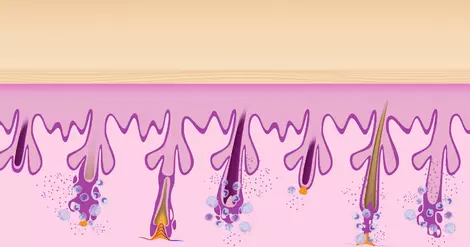
Alopecia areata is an autoimmune condition. In autoimmune conditions, the immune system mistakenly attacks healthy parts of the body. In alopecia areata, the attack targets the hair follicles, causing coin-sized patches of hair loss on the scalp or other areas of the skin.
People may develop different types of alopecia areata based on the amount of hair loss and where it’s located. These include:
Scientists aren’t sure what causes the immune system to attack healthy hair follicles in so many people. They know that genetics plays a major role in its development, but they aren’t sure if it’s triggered by an illness, an environmental factor, a mixture of the two, or something else.
About 20 percent of people who develop alopecia areata also have at least one family member with the condition. The risk of developing it increases if a relative lost their hair before age 30. The risk is also greater during childhood.
The main symptoms of alopecia areata include:
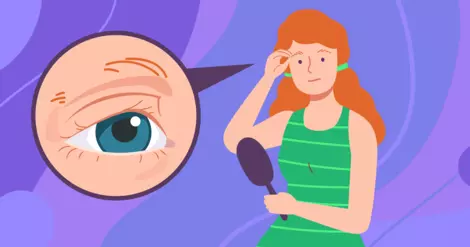
Alopecia areata can affect many body areas. Up to 95 percent of the time, hair loss occurs on the scalp. It can also affect the beard, eyebrows, and other parts of the body (like the arms or legs). When it affects the scalp, it may affect more of one side instead of both.
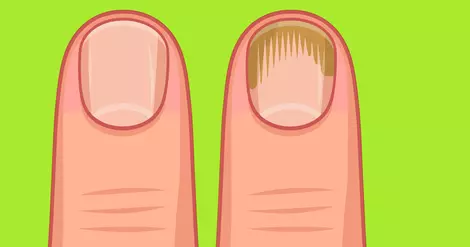
While hair loss is the most obvious and common symptom, people may experience others, including:
Hair can grow back, especially when people only have a few areas of hair loss, but it’s unpredictable. Regrowth is sometimes finer or lighter than before, although appearance can be improved with treatment. The regrowth can fall out again, but not always.
Dermatologists are clinicians who specialize in skin issues and can help diagnose and treat alopecia areata.
During an exam, they may ask about your medical history. They’ll want to know whether you have a family history of alopecia areata or other autoimmune and related conditions. They may also:
Usually, the main treatment goal is to manage the condition since it can’t be cured. Your alopecia treatment plan depends on how much hair you’ve lost, where you’ve lost it, and how long you’ve had symptoms.
A range of treatment options is available to adults and children ages 10 and older with hair loss, depending on symptom severity. These include:
Janus kinase (JAK) inhibitors are another treatment that calms the immune system and may help with regrowth in some people. Some are only approved for adults, while others are approved for people age 12 and older.
Sometimes, drug treatment isn’t recommended. If you’ve had one or two small bald spots for less than a year, many dermatologists may recommend that you wait and see what happens. Some people — especially children — will regrow hair without treatment.
Your healthcare team may also recommend gentle care of your scalp, as well as other self-care techniques. They may recommend:
If you’re worried about appearance or if treatments aren’t helpful, your dermatologist may suggest safe ways to hide your hair loss. How — and if — you disguise your hair loss is a personal decision, so it’s important to do what feels right to you.
Some people may learn new hair-styling techniques to hide hairless patches on their head. Those with extensive hair loss sometimes try a hair weave, wig, or scarf.
People who have lost eyelashes or eyebrows have similar options. Products like removable eyelashes or eyebrows can fill gaps or replace natural hair. Cosmetic tattoo artists may offer microblading, which uses semipermanent tattoo ink to create natural brows. Before looking into these options, confirm with your dermatologist that pigments or glues won’t harm your skin or interact with your medications.
Other people prefer embracing their hair loss, especially if they don’t want to undergo treatment or if treatment fails. They may shave the remainder of their hair completely and maintain a hairless look.
Living with alopecia areata can feel difficult. It may impact how you feel about yourself and how you feel in your community. People with the condition often feel frustrated about how it affects their appearance and aren’t sure how to cope with its unpredictability or severity.
Talking to your community about alopecia areata can help you process challenging emotions and provide answers to your questions, but feelings can become overwhelming. If you’re not sure where to turn, ask your care team for professional support.
On MyAlopeciaTeam, people share their experiences with alopecia, get advice, and find support from others who understand.
What has been your experience with alopecia areata? Let others know in the comments below.
Get updates directly to your inbox.


 Continue with Facebook
Continue with Email
Continue with Facebook
Continue with Email
Continue with Facebook
Continue with Email
Continue with Facebook
Continue with Email
Become a member to get even more





 Join
Join

 Your Privacy Choices

This is a member-feature!
Sign up for free to view article comments.
(Phone number can only be seen by the poster and wall owner)
We'd love to hear from you! Please share your name and email to post and read comments.
You'll also get the latest articles directly to your inbox.