
Powered By



Whether you notice hair falling out across your scalp or in small patches, hair loss can come as a surprise. Some people lose hair because of the autoimmune disease alopecia areata, but they don’t all have the same type.
Your hair loss pattern can help show which type of alopecia areata you have. You may also see changes in your nails, since some people with alopecia areata develop nail symptoms.
This article explains the six types of alopecia areata — three common forms and three seen less often — and how they differ.
For most people with alopecia areata, hair loss starts in small patches. Over time, you may begin to notice a pattern in your hair loss. It may either stay as small, quarter-sized patches or spread and affect larger areas. Each of the three main types of alopecia areata is defined by how much hair loss occurs and where it appears.
The most common form, patchy alopecia areata — “alopecia” means “bald,” and “areata” means “patchy” — is also known as alopecia areata focalis. Hair loss occurs in quarter-sized patches, and round or oval bald patches can appear on the scalp or other parts of the body.
Although not all types stay patchy, they usually start that way. About 5 percent to 10 percent of people with patchy alopecia areata eventually lose hair in broader patterns.
One study found that 34 percent to 50 percent of people with patchy alopecia areata may see their hair regrow without treatment. However, alopecia areata can continue to spread. If hair loss stays in patches and doesn’t become more extensive, it’s called persistent patchy alopecia.
Some people with patchy hair loss later lose hair across the entire scalp. This is called alopecia totalis and can lead to complete baldness. Before this happens, you’ll likely see at least five distinct round patches of hair loss on the scalp. As hair continues falling out, the hair around these patches may grow thinner at the base than at the ends. These are called exclamation point hairs.
On average, it takes about one year for patchy alopecia areata to progress to alopecia totalis. About 90 percent of people with alopecia totalis lose all their scalp hair in four years.
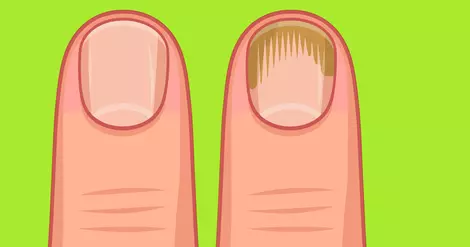
Even with full or near-total scalp hair loss, people with alopecia totalis may still have body or facial hair, such as eyebrows and eyelashes. Nail symptoms are also fairly common, with about 20 percent of people developing nail pitting or brittle nails.
Compared with people who have patchy alopecia areata, people with alopecia totalis are less likely to regrow their hair, whether they get treatment or not. Up to 23 percent of people with alopecia totalis don’t respond to treatment. Fewer than 10 percent regrow their hair without treatment.
People with alopecia totalis are also more likely to have other conditions related to alopecia areata. About 20 percent have at least one other diagnosis, often an autoimmune disease, such as thyroid disease, type 1 diabetes, or vitiligo. Mental health conditions, including depression and anxiety, are also more common in people with alopecia totalis than in those with patchy alopecia areata.
Alopecia universalis causes complete or nearly complete loss of hair on the scalp, face, and body. This type is rarer than either the patchy form or alopecia totalis. Of the estimated 150 million people worldwide with alopecia areata, about 1 in 4,000 have alopecia universalis.
Alopecia universalis can also cause some symptoms and complications you might not expect, including:
Nail changes are more common in severe forms of alopecia areata, including alopecia universalis and alopecia totalis. This condition can have a major impact on mental health and self-esteem. Stress is also thought to trigger or worsen alopecia universalis in some people.
Other less common types of alopecia areata can appear in other patterns that may be harder to diagnose.
Alopecia ophiasis (also called ophiasis alopecia) causes hair loss in a band-shaped pattern along the back and sides of the head. Hair continues to grow on the crown of the scalp, but the back and sides become bald.
Alopecia ophiasis has a poorer prognosis than other types, and it’s less likely to respond to common alopecia areata treatments like corticosteroids and minoxidil. However, some research suggests that alopecia ophiasis may respond to other treatment options, such as light therapy and platelet-rich plasma therapy.
There’s also an inverse form called alopecia sisaipho. In this type, hair stops growing on the crown but continues to grow on the back and sides.
Diffuse alopecia areata causes sudden hair thinning across the scalp but usually doesn’t lead to total baldness. This type can be difficult for doctors to diagnose because it resembles other types of hair loss. For example, it appears similar to androgenetic alopecia (hair loss that affects the crown and temples or causes a wider part with overall thinning) and telogen effluvium.
With diffuse alopecia areata, hair loss spreads evenly across affected areas rather than in patches. Hair thinning often occurs along the sides of the head, while other types of hair loss tend to affect different areas.
Alopecia areata incognita is another diffuse form of alopecia areata. Hair loss happens suddenly and doesn’t occur in distinct patches. This type is more likely than diffuse alopecia areata to cause hair loss at the back of the head.
Most cases of alopecia areata start the same way, with round bald spots that appear suddenly on the scalp. You may also lose hair from your eyebrows or eyelashes early on. Your scalp may burn, tingle, or feel sensitive as this happens. However, not everyone has these symptoms.
Hair loss patterns can change over time. It’s hard to predict what will happen after you first notice patches. Your hair loss might continue in the same pattern, or you may experience:
Hair often regrows, but it may fall out again later or appear in other areas. People with less extensive hair loss, older age at onset, and no family history of hair loss are more likely to experience full regrowth.
Let your doctor or dermatologist know if you notice your hair falling out. They can track your hair loss over time or use tests to diagnose alopecia areata. They can also recommend a treatment plan based on your type of alopecia areata.
On MyAlopeciaTeam, people share their experiences with alopecia, get advice, and find support from others who understand.
Which type of alopecia areata do you have? Let others know in the comments below.
Get updates directly to your inbox.


Head itching In spots and sometimes all over. What remedy can I use to stop itching?
 Continue with Facebook
Continue with Email
Continue with Facebook
Continue with Email
Continue with Facebook
Continue with Email
Continue with Facebook
Continue with Email
Become a member to get even more





 Join
Join


 Your Privacy Choices

This is a member-feature!
Sign up for free to view article comments.
I have this and was told once hair follicles die hair doesnt grow back. Its so fristrating.
We'd love to hear from you! Please share your name and email to post and read comments.
You'll also get the latest articles directly to your inbox.