
Powered By



You look in the mirror and notice a smooth, round patch where your hair used to be. Maybe it’s the size of a coin. Maybe it’s bigger. Your mind starts racing. Will it spread? Will it grow back? Did I do something to cause this?
If you’re living with alopecia areata, you’re not alone. This condition occurs when your immune system, which is supposed to protect you from germs, attacks your hair follicles. When that happens, hair can fall out in patches. For some people, it’s mild. For others, it can affect most or all of the scalp and body.
There’s no guaranteed cure for alopecia areata yet, but there are treatments that can help hair grow back and manage flare-ups. Some are creams you put on your scalp. Others are injections or pills that work throughout the body. The right choice depends on how much hair you’ve lost, your age, and your overall health.
Let’s take a look at some alopecia treatment options.
Topical corticosteroids are medicines you apply directly to the affected area of the scalp. They help calm the immune system so it stops attacking hair follicles. Doctors often recommend these for:
You usually apply the cream, lotion, or foam once or twice a day. These products are simple to use at home. Although topical versions of steroids may be slightly less effective than other forms, they can:
However, topical corticosteroids can’t cure the condition or guarantee the hair won’t fall out again.
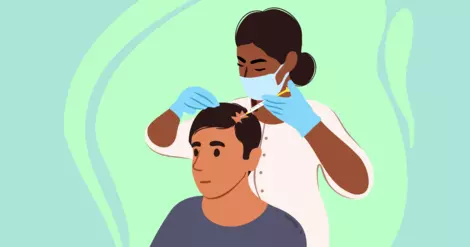
If you have a few small patches of hair loss, steroid injections, like triamcinolone acetonide (Kenalog-10), may be one of the most effective options. In this treatment, a dermatologist injects tiny amounts of corticosteroid medicine directly into the bald areas. It sounds uncomfortable, but most people tolerate it well. Injections are usually given every four to six weeks, and many people start to see regrowth within two months.
Steroid injections are a standard treatment for patchy alopecia areata. Possible side effects include:
For many people with limited hair loss, this is a go-to treatment.
With topical immunotherapy, a dermatologist applies a special chemical to your scalp to create a mild allergic reaction. This reaction may shift the immune system’s focus away from attacking your hair follicles, although the way it works is still not widely understood. This treatment is often used for:
Topical immunotherapy is typically a choice for more extensive cases of alopecia areata. You’ll usually need weekly office visits to receive this treatment. Regrowth can take several months.
Side effects include:
Topical immunotherapy doesn’t work for everyone, but it can help some people regrow hair.
Topical minoxidil is a liquid or foam you apply to the scalp. You can buy it without a prescription. It helps stimulate hair growth and is often used along with other treatments. On its own, it may not be strong enough to fully treat alopecia areata, but it can support regrowth.
You need to use it consistently, usually once or twice a day. There may be some continued hair loss for the first few weeks, but if you stick with it, you may see results. Tell your doctor if you experience any severe or persistent skin irritation and if you see no hair growth after four months.
When hair loss is sudden or widespread, doctors may prescribe steroid pills. These work throughout the whole body to calm the immune system. They can slow down fast-moving hair loss and encourage regrowth in more serious cases.
Oral steroids are not usually used long-term. That’s because they can cause side effects like:
Doctors carefully weigh the risks and benefits before recommending oral steroids.
One of the biggest advances in alopecia areata treatment in recent years is a group of drugs called JAK inhibitors.
Inside your cells are proteins called Janus kinases, or JAKs. They help send signals in the immune system. In alopecia areata, certain signals tell immune cells to attack hair follicles.
JAK inhibitors block those signals. When the signals are blocked, the immune attack can calm down. That gives hair follicles a chance to grow hair again. These medications are taken by mouth and work throughout the body.
In recent years, certain JAK inhibitors have been approved for treating severe alopecia areata, including:
Systematic reviews and meta-analyses show that oral JAK inhibitors can lead to meaningful hair regrowth in many people with moderate to severe disease.
Because these drugs affect the immune system, they can increase the risk of:
Safety reviews stress the importance of regular monitoring while on JAK inhibitors. Doctors now consider JAK inhibitors a first-line treatment for severe and extensive hair loss due to alopecia areata.
Before JAK inhibitors became available, doctors sometimes used other medications to calm the immune system. These may still be used in certain situations. Examples include:
These drugs can help some people, but they require close monitoring because they can cause serious side effects.
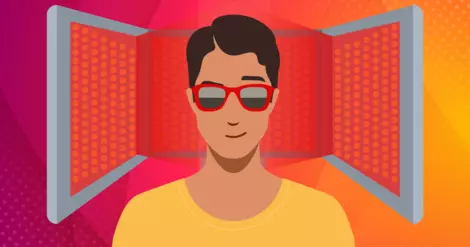
Light therapy, also called phototherapy, uses controlled ultraviolet light to treat certain skin conditions. For alopecia areata, results have been mixed. It’s not usually a first choice, but it may be considered in some cases.
Platelet-rich plasma therapy, or PRP, uses your own blood. A small amount is drawn from your arm and spun in a machine to separate out platelets. Platelets contain growth factors, which are natural substances that help with healing. The concentrated platelet solution is then injected into the scalp.
These growth factors may support hair follicles and encourage regrowth, but the evidence is still developing.
Medical treatments aren’t the only option. Many people use cosmetic solutions to feel more comfortable and confident. Options include:
These don’t treat the underlying condition, but they can make a big difference in daily life.
Hair transplant surgery moves hair from one part of the scalp to another and can help with some types of hair loss. But alopecia areata is an autoimmune condition, which means the immune system may also attack transplanted hair follicles. Because of this, hair transplant surgery is not often recommended for alopecia areata. Instead, doctors focus on treatments that calm the immune attack and help support regrowth.
It’s important to set realistic expectations. Treatments can:
Treatments can’t:
Alopecia areata is unpredictable. Hair may grow back on its own. It may fall out again months or years later. Long-term management is often needed.
Alopecia areata can feel frustrating and emotional. Hair is a part of how many people see themselves. Losing it can be tough.
Still, there’s real reason for hope. From tried and true steroid treatments to newer options like JAK inhibitors, the treatment landscape has grown in recent years. Researchers describe this as an exciting time in alopecia areata care.
The most important step is talking with a dermatologist about your options. Together, you can weigh the benefits and risks and decide what fits your goals.
There may not be a cure yet. But with the right plan, many people do see regrowth and regain a sense of control. And research continues to move forward.
On MyAlopeciaTeam, people share their experiences with alopecia areata, get advice, and find support from others who understand.
Have you found a treatment plan that helps you feel more confident and in control of your hair loss? Let others know in the comments below.
Get updates directly to your inbox.


Wanted to know more about nutriful supplement , if anyone has gotten some type of improvement after taking it ??

 Continue with Facebook
Continue with Email
Continue with Facebook
Continue with Email
Continue with Facebook
Continue with Email
Continue with Facebook
Continue with Email
Become a member to get even more





 Join
Join

 Your Privacy Choices

This is a member-feature!
Sign up for free to view article comments.
Little is not a drug that some black people can tolerate. When I was taking Xeljanz my hair was actually coming back with no side affects.
We'd love to hear from you! Please share your name and email to post and read comments.
You'll also get the latest articles directly to your inbox.