
Powered By



Certain health conditions are more common in people with alopecia areata than in the general population. These may be overlapping conditions — also called comorbidities — or one condition may increase the risk of another.
If you or someone in your family has alopecia areata, close family members may also have autoimmune diseases. It’s important to know whether you may be at risk of other conditions. This can help you catch symptoms early and get treatment sooner.
Keep reading for a list of nine conditions related to alopecia areata and their common symptoms.
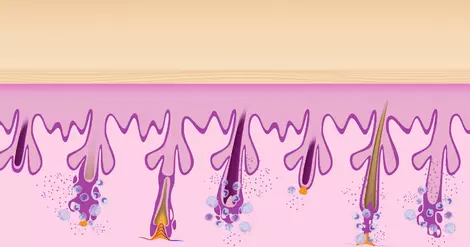
Alopecia areata is an autoimmune disease — it causes the immune system to mistakenly attack hair follicles, leading to hair loss. Scientists aren’t sure what triggers alopecia areata in certain people and not others, but they believe other health conditions may play a role.
Having one autoimmune condition increases the odds of having another. People with alopecia areata have a 16 percent higher risk of other autoimmune disorders, including thyroid disorders, vitiligo, type 1 diabetes, systemic lupus erythematosus (SLE), and rheumatoid arthritis (RA).
Alopecia areata is also linked to atopic conditions — a group of immune-related allergic conditions that may run in families. Research suggests that alopecia areata and atopic conditions may share similar immune responses. In these cases, the body overreacts to environmental or emotional triggers, such as pollen or stress. This reaction can lead to eczema, asthma, and seasonal allergies. Up to 38 percent of people with alopecia areata have at least one of these conditions.
Keep reading to learn about nine medical conditions related to alopecia areata.
Thyroid disease is among the most common conditions linked to alopecia areata. The thyroid, a small gland at the front of the neck, releases hormones that control metabolism (how the body uses energy).
The most common thyroid disorder linked to alopecia areata is Hashimoto’s thyroiditis, also called Hashimoto’s disease. This autoimmune condition causes the immune system to attack cells in the thyroid gland. Over time, this can lead to hypothyroidism (an underactive thyroid). One study found that nearly 7 percent of people with alopecia areata also had Hashimoto’s disease. Scientists don’t yet know why this link exists.
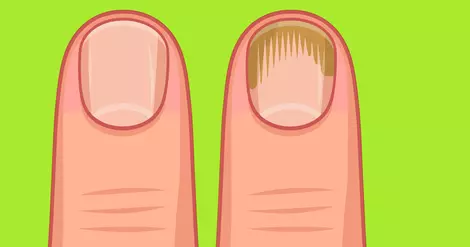
Some symptoms overlap with those in alopecia areata, including hair loss and nail problems.
Other symptoms include:
Vitiligo is an autoimmune condition in which the skin loses patches of color. The immune system attacks melanocytes, the cells that make melanin (pigment) and give skin and hair their color. Researchers estimate that 3 percent to 8 percent of people with alopecia areata also have vitiligo.
Vitiligo and alopecia areata are sometimes called “sister diseases” because they develop and affect the body in similar ways. For example, when the immune system attacks hair follicles, it may also affect the melanocytes inside the follicle and their ability to make hair color. As a result, hair that grows back after alopecia areata may appear lighter than before.
Symptoms of vitiligo include:
Alopecia areata is also linked to type 1 diabetes, an autoimmune disease in which the immune system attacks the insulin-producing cells in the pancreas. Without insulin, the body’s cells can’t use sugar for energy. As a result, blood sugar builds up in the bloodstream, which can be dangerous.
Symptoms of type 1 diabetes include:
Systemic lupus erythematosus is an autoimmune condition in which the immune system attacks tissues throughout the body. SLE can affect organs, joints, and the nervous system. Research suggests that alopecia areata is linked to SLE in people of all ages, especially children.
Because SLE affects the whole body, it can cause a wide range of symptoms, including:
About 14 percent to 50 percent of people with SLE may also develop patchy hair loss over time. For that reason, lupus-related hair loss can be mistaken for alopecia areata. If you have SLE and notice patchy hair loss, talk with your doctor. They can monitor your symptoms and help determine the cause.
Rheumatoid arthritis is an autoimmune condition affecting the joints — often the same joints on both sides of the body. RA can cause:
People with RA may have almost three times the risk of alopecia areata compared with the general population. This risk appears to be higher when RA symptoms begin between ages 20 and 30.
About 39 percent of people with alopecia areata also have atopic dermatitis, likely because the conditions involve similar immune responses. Atopic dermatitis is the most common type of eczema.
Eczema causes itchy, dry skin. Flares can seem random or may be triggered by something specific, such as pet dander or laundry fragrance. Symptoms can appear anywhere on the body and may include:
Alopecia areata is strongly linked to atopic asthma — a type of asthma caused by allergies. People with asthma are nearly twice as likely to develop alopecia areata compared with the general population. As with eczema, this connection may be due to similar immune system activity. During an asthma attack, the airways become inflamed and narrow, making it harder to breathe.
Asthma symptoms can range from mild to severe and last for a short time or a few days. Common symptoms include:
Many people with alopecia areata also have allergic rhinitis (hay fever). Hay fever is linked to alopecia areata because both conditions involve similar immune system responses.
After being exposed to a trigger such as dust mites or mold, people with hay fever may develop symptoms such as:
For some people, hay fever is seasonal. This happens when environmental factors, such as certain types of tree pollen, are present in the air at specific times of the year.
Mental health conditions aren’t directly caused by immune system activity. However, living with a chronic condition like alopecia areata can affect emotional well-being. Some studies have linked alopecia areata with higher rates of depression and anxiety.
Alopecia areata can be challenging and unpredictable. Some people develop small patches of hair loss that eventually regrow. Others may have more severe cases with widespread symptoms affecting the scalp, beard, or body hair, such as alopecia universalis. For many people, hair is closely tied to identity and self-image. Losing hair may affect how you feel about yourself and how comfortable you feel around others who may not understand the condition.
If you feel overwhelmed and aren’t sure where to turn, ask your healthcare provider for guidance. They may recommend seeing a mental health professional who can help you build coping strategies and process the changes that come with alopecia areata.
On MyAlopeciaTeam, people share their experiences with alopecia, get advice, and find support from others who understand.
Do you have conditions related to alopecia areata? How has it affected your treatment? Let others know in the comments below.
Get updates directly to your inbox.


 Continue with Facebook
Continue with Email
Continue with Facebook
Continue with Email
Continue with Facebook
Continue with Email
Continue with Facebook
Continue with Email
Become a member to get even more





 Join
Join

 Your Privacy Choices

This is a member-feature!
Sign up for free to view article comments.
Doctors seem to think my alopecia areata was caused by a period of extreme stress. Have any of you experienced this?
We'd love to hear from you! Please share your name and email to post and read comments.
You'll also get the latest articles directly to your inbox.