
Powered By



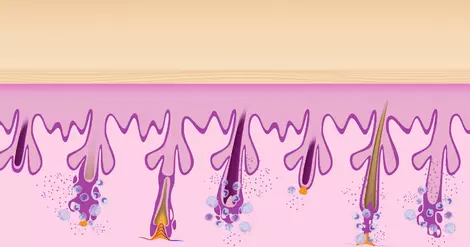
Losing hair in patches may be an early sign of alopecia areata, although hair loss can become more widespread over time. There are several types of alopecia areata, but all are caused by an underlying autoimmune condition. This means hair loss occurs when the immune system attacks hair follicles.
Getting an accurate diagnosis is the first step toward finding alopecia areata treatments that may work for you. The good news is that diagnosing alopecia areata is often simple and usually doesn’t require complex tests beyond a physical exam. In this article, you’ll learn about the tests a dermatologist may use.
Noticing symptoms of alopecia areata can help you know when it’s time to book an appointment with a dermatologist. Everyone loses some hair each day, especially when brushing or washing their hair. However, with alopecia areata, you lose more hair than usual.
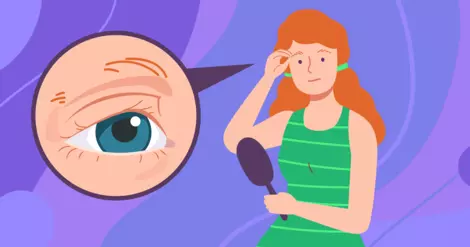
Coin-sized bald spots on the scalp or in the beard are the first signs of alopecia areata. Depending on the type you have, you may eventually lose more hair on your scalp and body or only on your scalp. Other alopecia areata symptoms include:
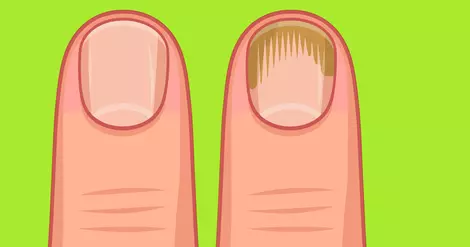
From 10 percent to 20 percent of people with alopecia areata also develop nail changes, such as pitted, brittle, discolored, or rough nails.
Diagnosing alopecia areata usually begins with a detailed physical exam, often done by a dermatologist. Be sure to tell them where the hair loss is happening and when you first noticed it.
Your dermatologist will review your medical history and ask whether any family members have alopecia areata. It’s also helpful to mention a family history of other autoimmune disorders. Researchers have found that people with alopecia areata often have close family members with other autoimmune diseases.
Your dermatologist may perform additional tests to confirm alopecia areata or rule out other causes of hair loss. The following tests can tell you more about your hair loss.
Dermoscopy uses a tool called a dermatoscope — a magnifying device that includes a light. When used to evaluate hair loss, this test is often called trichoscopy. Using a dermatoscope, your doctor can see your hair, scalp, and hair follicles in greater detail. They may spot signs of alopecia areata or other scalp conditions that aren’t otherwise visible.
A hair pull test checks how severe hair loss is in alopecia areata and other conditions. During this test, your dermatologist gently grasps and pulls one small section of your hair — about 40 strands — at a time. Hair loss in that area is considered active if at least six strands fall out.
Your dermatologist may also perform a hair tug test to check the strength of the hair shaft. Strands that break in the middle suggest weak or brittle hair.
Your dermatologist may take a few hairs from your scalp to examine under a microscope. Lab analysis can provide more information about why your hair might be falling out.
Sometimes, a dermatologist may recommend a scalp biopsy — also called a punch biopsy — to examine hair follicles more closely. During this test, a small piece of skin is removed from the scalp using a pencil-shaped device. The dermatologist then closes the small opening with stitches. The sample is examined under a microscope for signs of skin disease.
Biopsy results may help rule out other skin conditions that also cause hair loss. Your doctor may recommend a scalp biopsy if they see lesions on your scalp or need more information to confirm a diagnosis.
No specific blood test is used to diagnose alopecia areata, but your dermatologist may recommend blood tests to look for or rule out other conditions that can cause hair loss. Your doctor might order blood tests to check for the following:
Thyroid hormone imbalances like hypothyroidism and hyperthyroidism can cause hair loss. This can be mistaken for alopecia areata and other hair loss types. For that reason, your doctor may check your thyroid levels to rule out a thyroid issue before confirming alopecia areata.
A blood test can measure the level of thyroid-stimulating hormone (TSH). If TSH levels are too high or too low, a thyroid condition may be causing the hair loss. Many people with alopecia areata also have autoimmune thyroid disease.
Hair loss can happen if you’re not getting enough key nutrients. For example, iron-deficiency anemia (low iron levels) can cause or worsen hair loss.
Blood tests can help diagnose or rule out iron deficiency and other nutrient deficiencies linked to hair loss. Your doctor may check your levels of ferritin, a protein that shows how much iron is stored in your body.
People with diffuse hair loss (spread across the scalp rather than in patches) may have another condition or a different type of hair loss. For example, they may have androgenetic alopecia — hair loss that affects the crown and temples or causes a wider part with overall thinning — or a rarer type called diffuse alopecia areata.
To help tell the difference, your dermatologist may check for a hormone imbalance called androgen excess. Androgens are a group of hormones that include testosterone. According to NYU Langone Health, women with high androgens may lose the hair on the scalp, grow hair on the face and chest, and have irregular periods.
Your doctor may also order blood tests to check for other autoimmune diseases or related conditions. Many people with alopecia areata have other autoimmune diseases, such as lupus, type 1 diabetes, or Hashimoto’s thyroiditis.
Contact your doctor if you notice new round bald patches or other signs of alopecia areata, like pits or dents in your fingernails. Not all hair loss comes from alopecia areata, so it’s important to work with a dermatologist to get an accurate diagnosis.
Your dermatologist can then recommend treatments that may help your hair regrow. There’s no cure for alopecia areata, but medications and treatments may help reduce symptoms and prevent flare-ups.
Alopecia areata can be unpredictable, with hair loss coming and going throughout a person’s life. Even if you lose all your hair, it may eventually grow back. That’s why it’s important to get a diagnosis as soon as you notice symptoms.
On MyAlopeciaTeam, people share their experiences with alopecia, get advice, and find support from others who understand.
Which tests helped diagnose your alopecia areata? Let others know in the comments below.
Get updates directly to your inbox.


 Continue with Facebook
Continue with Email
Continue with Facebook
Continue with Email
Continue with Facebook
Continue with Email
Continue with Facebook
Continue with Email
Become a member to get even more





 Join
Join

 Your Privacy Choices

This is a member-feature!
Sign up for free to view article comments.
We'd love to hear from you! Please share your name and email to post and read comments.
You'll also get the latest articles directly to your inbox.