
Powered By



Alopecia areata is an autoimmune disease that causes hair loss on the scalp or other parts of the body. If you have this condition, you may lose more hair at certain times of the year, especially during the colder months.
Different types of alopecia areata can lead to a variety of symptoms. It’s important to identify any symptoms as early as possible to help guide your diagnosis and develop a treatment plan. Here are six signs of alopecia areata to watch for.
In general, a telltale sign of alopecia areata is a round or oval area of smooth skin where hair used to be. These bald patches may appear on your scalp, as well as on your eyebrows, eyelashes, beard, or other places where hair grows. For some people, this even includes nostril hairs.
You’re unlikely to see any color changes or swelling at the site of the hairless patches if you have alopecia areata. Swelling is typically related to other types of hair loss, such as those caused by fungal infections.
It’s normal to lose some hair every day. The average person may lose up to 100 strands each day. But with alopecia areata, the rate of hair loss increases. You may start to see more hair in your brush or in your shower drain. More shedding and thinner hair can be among the early signs of alopecia.
It’s important to let your doctor know about any hair changes. These could signal alopecia or a slew of other health conditions linked to hair loss. Sometimes hair loss is caused by a temporary issue like hormone changes or stress. Your dermatologist can review your other symptoms and family history to help assess your risk for alopecia. They can also run tests to diagnose the reason behind your hair concerns. Once you have an alopecia areata diagnosis, you can explore treatment options to help get your symptoms under control.
Alopecia areata can lead to hair loss anywhere, including your eyebrows and eyelashes. People with alopecia may have patchy eyebrows, or they may lose their eyebrows completely. Upper and lower eyelashes may fall out as well. Alopecia areata typically affects eyebrows and eyelashes on both sides of the face (instead of just one side).
The primary purpose of these hairs is to protect your eyes. As a result, some people with alopecia develop eye irritation because they don’t have these hairs as a shield against dust and other irritants. Irritated eyes can feel itchy and dry. In addition, the whites of your eyes can become red from rubbing.
Wearing sunglasses can help protect your eyes when you go outside. You may also want to ask your doctor about eye drops to help lubricate dry eyes and reduce redness. If losing your eyebrows or eyelashes makes you feel self-conscious about your appearance, you can explore your options. Makeup or false lashes and eyebrows can help you feel more like yourself again.
Short strands of hair that narrow at the base are called exclamation point hairs. They’re thinner toward the hair follicle, where they attach to the skin. As a result, they’re more likely to break off.
Alopecia areata is related to problems with the immune system. Researchers believe that exclamation point hairs are caused by inflammation, which is an abnormal immune response. Your healthcare provider can take a closer look at your hair to check for this common sign of alopecia.
You may also see an increase in short, broken hairs or white hairs. Exclamation point hairs can be colorless at the base. They don’t grow longer than 3 to 4 millimeters.
People with alopecia areata may notice that their skin feels itchy in the same areas where patches of hair loss later develop. If you have itchy skin or a burning sensation before you develop bald patches, it could be from alopecia areata or another condition.
Common causes of an itchy scalp include:
Intense itching can lead to hair loss, but that doesn’t always mean you have alopecia areata. You’ll need a closer look by a dermatologist to identify your specific type of hair loss.
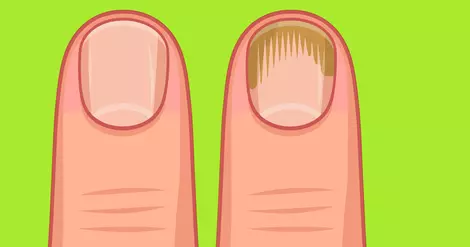
Alopecia areata can also cause changes to fingernails and toenails. Up to 20 percent of people with alopecia areata have nail changes, which can include nails becoming rough like sandpaper. Nails can also turn red or develop vertical ridges. In some cases, they get very brittle and painful.
You may be more likely to notice nail changes if you work with your hands. If your nails are delicate, they can’t provide the same protection to your fingers. Nail changes can make you more prone to infections and sensitivity. You may need to wear gloves for activities like gardening and cleaning, or stick to closed-toe shoes to protect your feet.
Alopecia symptoms can happen later in life. But most people start having symptoms by their 40th birthday. At first, hair loss may seem to strike out of nowhere. Once you have it, symptoms of alopecia may come and go through the years.
Hair loss from alopecia areata can range from mild to severe. Some may have only a few small bald patches. Others have widespread hair loss. People of all races and genders are equally likely to get alopecia, according to Yale Medicine. There’s some mystery about why certain people get it, and others don’t. Most researchers think it’s caused by genetic factors that are triggered by your environment.
Alopecia can feel isolating, especially if you don’t know anyone else with the condition. Since alopecia can affect more than just your hair, it’s important to seek support if you need it. Online support groups and communities can help connect you with others who can relate.
Fortunately, people with severe cases of alopecia areata now have more treatment options than ever before. Some people choose to wear a wig or talk to a dermatologist about hair regrowth serums. Newer therapies like Janus kinase (JAK) inhibitors target the immune system to help treat alopecia areata.
On MyAlopeciaTeam, people share their experiences with alopecia, get advice, and find support from others who understand.
What symptoms of alopecia areata have you had? Let others know in the comments below.
Get updates directly to your inbox.



 Continue with Facebook
Continue with Email
Continue with Facebook
Continue with Email
Continue with Facebook
Continue with Email
Continue with Facebook
Continue with Email
Become a member to get even more





 Join
Join


 Your Privacy Choices

This is a member-feature!
Sign up for free to view article comments.
I goes to the dermatologist, I been seen the dermatologist for almost two years. I get treatment for my head. I get shots in my crown area. My hair has grown but my hair line growing very slowly. I… read more
We'd love to hear from you! Please share your name and email to post and read comments.
You'll also get the latest articles directly to your inbox.