
Powered By



You notice it in the mirror first. A small smooth patch. No stubble. No breakage. Just skin where hair used to be. For many people, alopecia areata begins quietly like this. One morning feels normal. The next feels uncertain.
If you live with this condition, you already know something important — hair loss is not just about hair. It touches your confidence, comfort, and daily life. The good news is that small, steady habits can help you protect your scalp, care for your body, and feel more in control.
Daily self-care will not “fix” alopecia areata. Still, it can protect your skin, reduce irritation, and support both your emotional and physical health. Think of it as giving your body the best possible environment to heal.
Below are a few meaningful habits that can make everyday life easier.
Alopecia areata is an autoimmune condition. This means your immune system mistakenly attacks your own healthy cells — in this case, the hair follicles, which are tiny tubes in the skin where hair grows. This attack causes hair to fall out in round patches on the scalp and sometimes on the face or body.
Hair loss can happen at any age, in small or large patches, and it’s not contagious. The condition often comes and goes, with hair sometimes growing back on its own, and other times cycling through loss and regrowth.
Understanding that alopecia areata is a medical condition and not a personal fault can relieve some of the fear and guilt that often come with hair loss.
When hair is already weak or loose, rough brushing and styling can make shedding worse. Doctors recommend gentle hair care for people with alopecia areata.
Helpful tips include:
While these practices don’t reduce disease activity, they do lessen hair breakage and create a calmer environment for hair to remain rooted. Taking time to care gently for your hair can also help you feel more in control and less frustrated during hair loss.
Hair normally protects your scalp and face from sun exposure, wind, and cold. When hair is missing, the exposed skin is more sensitive and prone to irritation or dryness.
To protect exposed areas:
These steps reduce sunburn, dryness, and itching while protecting delicate skin from environmental damage. If your eyebrows or eyelashes are thinning, sunglasses can shield your eyes from bright light and dust. Some people find that lightweight scarves or head wraps offer both sun protection and a confidence boost, making daily life easier.
Stress does not cause alopecia areata, but it can worsen autoimmune activity and make symptoms harder to manage. When the body is stressed, it releases chemicals that increase inflammation and cell death, which may affect hair follicles.
Ways to reduce stress include:
Emotional support and stress management can help reduce the mental toll of hair loss and improve your overall well-being. Feeling heard and understood by others who face similar challenges can be incredibly comforting.
Food doesn’t cure alopecia areata, but hair follicles need protein, zinc, iron, vitamin D, and B vitamins to function properly. Deficiencies in these nutrients can worsen hair shedding and affect regrowth.
Helpful dietary habits include:
Avoid crash diets or rapid weight loss, as this can trigger temporary hair shedding. Balanced nutrition supports both overall health and hair growth. Some people also find that keeping a food diary helps them notice patterns and adjust their diet for optimal nutrient intake.
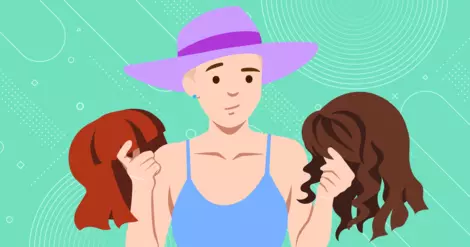
Hair loss can affect self-image and social interactions. Wigs, scarves, head coverings, eyebrow makeup, and false eyelashes are all ways to manage the appearance of hair loss. Many people report that these tools improve confidence and provide emotional comfort.
Using cosmetic options is not about hiding. It’s about empowerment and expressing yourself on your own terms. Experimenting with styles, colors, or fabrics that make you feel comfortable can reduce anxiety and help you feel more confident in social situations.
Self-care is important, but medical treatment may also support hair regrowth. Healthcare providers may offer:
Steroid injections can be administered into bald patches. Steroids are medicines that calm inflammation (swelling and immune overactivity). Injecting them into the skin helps quiet the immune attack only in that small area.
“Topical” means medicine you put directly on the skin, like creams, foams, or liquids. Topical medications are applied to the scalp. These include topical corticosteroids and topical immunotherapy. These work where you apply them and may help stimulate hair growth.
Systemic treatments may be suitable for more extensive hair loss. “Systemic” means the medicine travels through the whole body instead of working in just one spot. These treatments are usually given as pills or shots. Examples include oral steroids or other immune-calming medicines such as methotrexate or cyclosporine, which lower immune system activity throughout the body to protect hair follicles.
JAK inhibitors are a newer type of systemic medication taken by mouth. These drugs block specific immune signals (chemical messages that tell immune cells to attack). By blocking those signals, they can reduce inflammation and allow hair to regrow. Some are approved for moderate to severe alopecia areata.
Regular check-ins with a dermatologist, or skin doctor, help ensure treatment plans are safe and tailored to your needs. Doctors can also track your progress and adjust treatment if hair loss patterns change.
Alopecia areata can also affect eyebrows, eyelashes, and nails. Nail pitting — small dents or ridges — is common and can indicate disease activity. Tracking changes with photos or notes helps doctors monitor the progression and effectiveness of treatment.
Being aware of changes beyond the scalp helps you act early and communicate clearly with your healthcare team.
Sometimes, that same “overactive” immune system can be linked to other conditions, such as thyroid problems, eczema, asthma, or vitiligo. This doesn’t mean you will get any of them, but your doctor may occasionally check for these conditions to make sure everything stays healthy.
Peer support can reduce stress and isolation. Many people find comfort in sharing experiences in online groups or local communities. Emotional connection is shown to improve coping in chronic conditions.
Sharing your experiences and learning from others can also introduce new tips and tools for daily self-care.
On MyAlopeciaTeam, people share their experiences with alopecia areata, get advice, and find support from others who understand.
What daily habit or self-care routine has helped you feel more confident while managing hair loss? Let others know in the comments below.
Get updates directly to your inbox.




 Continue with Facebook
Continue with Email
Continue with Facebook
Continue with Email
Continue with Facebook
Continue with Email
Continue with Facebook
Continue with Email
Become a member to get even more





 Join
Join

 Your Privacy Choices

This is a member-feature!
Sign up for free to view article comments.
I'm not taking any pills
We'd love to hear from you! Please share your name and email to post and read comments.
You'll also get the latest articles directly to your inbox.