
Powered By



Some people with alopecia areata develop patches of white hair and light-colored skin. Although white hair sometimes occurs with alopecia, these symptoms can also be signs of a different skin condition called vitiligo. You can have vitiligo without alopecia, and vice versa. A small percentage of people develop both. Research shows some overlap in the causes, risk factors, and potential treatments of vitiligo and alopecia.
Keep reading to discover the similarities between alopecia areata and vitiligo.
Scientists believe alopecia areata and vitiligo are autoimmune diseases. In an autoimmune disease, the immune system attacks healthy cells by mistake.
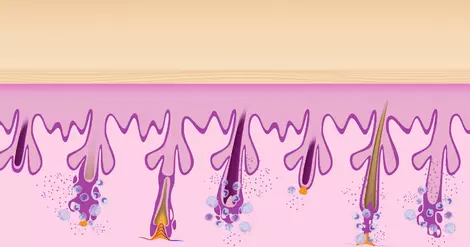
In alopecia areata, the immune system mistakenly identifies hair follicles (the tubelike structures in the skin that produce hair) as foreign invaders, similar to bacteria or viruses. White blood cells gather around the follicle deep in the skin. This disrupts the hair growth cycle, causing hair to fall out and making it harder for it to grow back.
In vitiligo, researchers believe the immune system attacks the cells that make pigment, or color. These cells are called melanocytes. This attack may be linked to oxidative stress, which happens when the body has too many harmful molecules and not enough protective ones. Sun exposure is one possible cause of oxidative stress and may also raise the risk of vitiligo.
Because these conditions affect different cells in the body, some people can have vitiligo and alopecia areata at the same time. Having other autoimmune disorders is a shared risk factor for both vitiligo and alopecia.
Genetics may also play a role in both conditions. Up to 20 percent of people with alopecia have biological family members with alopecia. About 30 percent of people with vitiligo have a family history of the condition.
Researchers have identified more than 30 genes linked to an increased risk of vitiligo. Of those, at least four overlap with genes associated with alopecia areata. This finding suggests that some people may be more likely to develop both conditions.
People with vitiligo are 2.63 times more likely to develop alopecia areata than those without vitiligo. Of all the skin conditions evaluated by researchers, alopecia was the second most likely to occur with vitiligo, behind psoriasis.
On the other hand, people with alopecia areata are up to 5.3 times more likely to develop vitiligo than those without alopecia. Some studies say the odds are slightly lower, at about 3.32 times. But most studies do confirm a link. About 2 percent of people with alopecia also have vitiligo. Plus, vitiligo is the most likely skin condition found with alopecia areata.
Researchers think there’s more to the link beyond shared genes and overlapping autoimmune dysfunction. Vitamin D deficiency may help explain the connection between alopecia areata and vitiligo. But more research is needed to know whether that is true.
Alopecia and vitiligo affect hair in different ways. With vitiligo, hair may turn white or silver in areas with lighter skin. This can happen anywhere on the body.
In contrast, alopecia areata causes patchy hair loss. In addition to having mild patches of hair loss, there are four subtypes:
If you have alopecia and vitiligo, you might have patches of hair loss and patches of white or silver hair on your scalp or elsewhere on your body. Itchy skin may signal the start of new pigment loss or hair loss.
In rare cases, alopecia can also cause people to grow white hairs similar to vitiligo. This growth can be scattered, appear in patches, or affect virtually every hair. Sometimes, the skin changes color. One way to tell vitiligo and alopecia apart is to check whether each white hair matches a patch of skin with pigment loss around the hair follicle. A healthcare provider can confirm the diagnosis.
It’s also possible to have hair loss that isn’t related to alopecia areata. Sudden, temporary, and widespread hair loss is called telogen effluvium. It can occur due to physical and emotional stress, restrictive diets, and starting or stopping certain medications. Telogen effluvium thins the total volume of hair but doesn’t usually cause bare patches of skin. Tight hairstyles, genetics, radiation therapy, and hormone changes may also lead to hair loss.
There’s no cure for vitiligo or alopecia areata. But both conditions can be managed to improve your quality of life.
Some treatments may work for both vitiligo and alopecia areata, such as corticosteroids, Janus kinase (JAK) inhibitors, and calcineurin inhibitors. All three drug classes reduce inflammation, calm autoimmune responses, and slow the spread of hair loss or depigmentation. Phototherapy uses targeted ultraviolet light. It can also stimulate hair regrowth and skin repigmentation. It’s often used along with an oral medication called psoralen.
Other strategies may also help treat each condition. For alopecia areata, hair regrowth may be possible with topical immunotherapy, platelet-rich plasma therapy, and minoxidil. Minoxidil is approved by the U.S. Food and Drug Administration (FDA) for pattern hair loss, but doctors sometimes use it off-label for alopecia areata. Wigs and different hairstyles may also help people feel more confident during alopecia areata treatment.
People with vitiligo may choose to undergo repigmentation therapy or depigmentation therapy. Repigmentation focuses on restoring color to light patches of skin. Depigmentation lightens your natural skin color to match the vitiligo patches. This is usually done with a skin cream or other medicine you put on the skin. Skin grafting is a surgery that moves pigmented skin from one part of the body to an area affected by vitiligo. Cosmetics can temporarily cover depigmented areas during treatment or as needed.
Everyone responds differently to vitiligo and alopecia areata treatments. A dermatologist or other healthcare provider can help you weigh the pros and cons of each option.
Having vitiligo or alopecia areata can affect your quality of life and self-esteem. Many people care a lot about how they style their hair, show their skin, and present themselves. It can be upsetting to lose control over such visible parts of who you are.
Some people feel anxious, depressed, less confident, and less sociable due to unwanted changes in their skin and hair. Neither alopecia areata nor vitiligo is contagious, caused by poor hygiene, or in any way a reflection of your worth. But it can feel embarrassing to be around people who act as if this is true.
Finding community support, learning coping strategies from a mental health professional, exploring cosmetic options, and advocating for yourself can help improve your emotional outlook.
It’s important to report new symptoms and let your doctor know how you’re feeling. Sometimes other health conditions can look like vitiligo or alopecia, including certain fungal infections.
Seek medical advice if your skin appears bruised, inflamed, infected, or scaly, or if it feels unusually itchy and sore. Ask your doctor to look at new patches of depigmentation or hair loss, especially if it seems to spread quickly. If your treatment doesn’t work, tell your doctor.
Be sure to find a doctor or dermatologist who understands how vitiligo and alopecia can affect mental health. If you’re feeling upset or distressed about your appearance, connect with your healthcare provider right away. Treatments are available to help reduce symptoms and restore confidence.
On MyAlopeciaTeam, people share their experiences with alopecia, get advice, and find support from others who understand.
Do you have alopecia and vitiligo? What similarities and differences have you noticed? Let others know in the comments below.
Get updates directly to your inbox.




 Continue with Facebook
Continue with Email
Continue with Facebook
Continue with Email
Continue with Facebook
Continue with Email
Continue with Facebook
Continue with Email
Become a member to get even more





 Join
Join

 Your Privacy Choices

This is a member-feature!
Sign up for free to view article comments.
We'd love to hear from you! Please share your name and email to post and read comments.
You'll also get the latest articles directly to your inbox.