
Powered By



Alopecia universalis is an autoimmune disease that causes you to lose all of the hair on your body, including on your scalp, eyebrows, and eyelashes. It’s considered to be the progression of alopecia areata — which causes small patches of hair loss — and is often referred to as alopecia areata universalis. Alopecia totalis is another subform of alopecia areata that causes you to lose all the hair on your head. Alopecia universalis is the most severe form of alopecia areata.
Alopecia universalis is rare, and it can affect people in different ways. Losing all your body hair can have an impact on your emotions. Understanding what causes alopecia universalis, how it’s diagnosed, and what treatment options are available can make it easier to manage life with this condition.
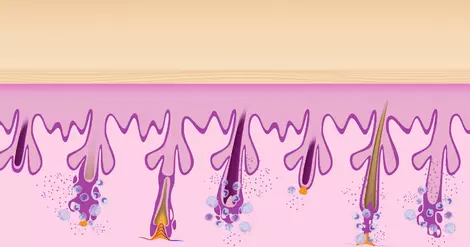
Alopecia universalis happens when your immune system mistakenly attacks your hair follicles as if they were invading your body. Researchers believe these attacks cause you to lose hair. There’s no guarantee that your hair will grow back, but it is possible.
No one knows exactly what leads the immune system to attack your hair follicles. Some people believe that stress causes alopecia universalis. However, while stress may play a role for some people, the relationship between stress, your immune system, and alopecia isn’t well understood. There are other factors that seem to contribute to developing alopecia universalis, and some people don’t find stress to be a trigger for them.
There also seems to be a genetic component to alopecia universalis. This means it often runs in families. In fact, if someone in your family has had alopecia universalis, you have about a 20 percent chance of developing it yourself. Other factors may influence if and when these genes are activated.
Alopecia universalis often starts as alopecia areata. You might see patches on your body, including your scalp, where your hair has started shedding. Over time, these patches might get bigger and eventually overlap, leading to total hair loss.
Sometimes, alopecia universalis involves shedding a lot of hair very fast. This can happen on your scalp or anywhere else on your body where hair grows. Small bald patches can quickly turn into total hair loss. As it gets worse, you may lose all your body hair, including facial hair, pubic hair, and hair inside your nose. If you start losing hair in many places, talk to a doctor who treats alopecia universalis.
Some people also have other symptoms, such as uncomfortable feelings on areas of skin where hair has fallen out. This may feel like itching or burning.
Losing body hair may have some effects you might not think about at first. For example, the skin on the areas where you’ve lost hair may become more sensitive once they no longer have hair to protect them.
Hair also helps your body control its temperature, so you may notice changes in how hot or cold you feel.
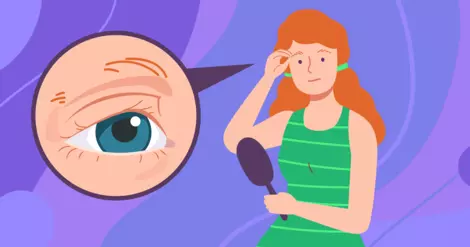
Nose hair helps filter out pollen and bacteria, so without it, more particles may get into your body. If you lose your eyelashes, more dust and debris may get into your eyes. Without eyelashes for shade, your eyes may also be more sensitive to sunlight.
Hair is an important part of how many people see themselves. Losing it can feel like losing part of who you are. Some people also feel judged by others for not having hair in certain areas. This can affect mood and mental health.
In fact, alopecia areata is linked to several mental health issues. It’s connected to higher rates of depression, anxiety, and PTSD. If you’re struggling with your mental health because of your alopecia, let your healthcare provider know. You can get the support you need to feel better about yourself, no matter what happens with your hair.
Children with alopecia universalis may face particular social challenges. After all, kids aren’t always kind on the playground. Children with alopecia universalis may face questions, comments, stares, and unkind words that they don’t know how to handle. Getting support for kids who are struggling due to alopecia can help them learn how to thrive with the condition.
Healthcare providers will diagnose alopecia universalis by looking at the patterns of hair loss across your body. They’re also likely to ask about details like when you started losing hair, how fast your hair loss occurred, if you’re having any other symptoms, as well as any other details that might be relevant.
Your doctor will also need to rule out any other possible causes of the hair loss. This may involve taking a sample of your hair follicles (a scalp biopsy) or doing blood tests. These tests can usually be done quickly and easily. Once your healthcare professional has all of your results, they’ll be able to diagnose you and help you start treatment for alopecia universalis.
There are a few treatment options when it comes to alopecia universalis. Your doctor will design a treatment plan for you based on your needs. There is no cure right now, but treatment may help manage symptoms and support hair regrowth. Your doctor will help you understand what you can expect.
Current treatment options include:
Researchers are still working to fully understand how your body and alopecia universalis may respond to these treatments in the long term. While they gain knowledge about how to treat the condition and stimulate hair regrowth, new treatment options may become available. Right now, we know that no single treatment works for every person and that hair may not grow back or may not grow back the same way it did before. Your doctor can tell you more about specific treatments.
There are a few strategies you can use to cope with alopecia universalis while you’re waiting for treatment to work or if you’re not getting the results you hoped for.
Protect any areas affected by alopecia from the sun by covering them or using a high-SPF sunscreen. You may also need to take extra care of your eyes and nose. Glasses or sunglasses can help protect your eyes from dust and sunlight, and artificial tears may help relieve dryness.
If you want a look that feels more like you, wigs, tattooed eyebrows, and synthetic eyelashes may help. Some people choose these options, and others do not. The choice is personal.
If you’re struggling with your mental health, support groups, therapists, and even your dermatologist can help you learn healthy ways of coping with alopecia universalis. You can ask your doctor if they can connect you with these resources, or you can seek them out yourself. Getting the support you need will benefit your overall quality of life.
If you notice sudden hair loss, rapid shedding, or hair loss in many places on your body, talk to a doctor or dermatologist. They can help find the cause and recommend the right treatment.
On MyAlopeciaTeam, people share their experiences with alopecia, get advice, and find support from others who understand.
What do you wish more people knew about alopecia universalis? Let others know in the comments below.
Get updates directly to your inbox.


 Continue with Facebook
Continue with Email
Continue with Facebook
Continue with Email
Continue with Facebook
Continue with Email
Continue with Facebook
Continue with Email
Become a member to get even more





 Join
Join

 Your Privacy Choices

This is a member-feature!
Sign up for free to view article comments.
We'd love to hear from you! Please share your name and email to post and read comments.
You'll also get the latest articles directly to your inbox.