
Powered By



Alopecia areata can affect people of any age, and it sometimes begins in childhood. Learning that your child has alopecia areata can feel confusing or scary. You may wonder what caused it, whether the hair will grow back, and how to support your child emotionally and physically.
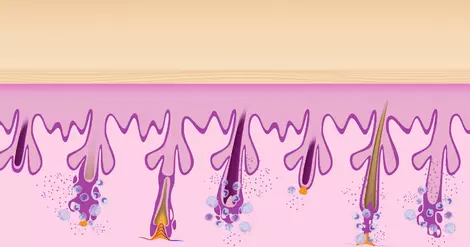
Alopecia areata is an autoimmune condition. This means the immune system mistakenly attacks hair follicles, leading to inflammation and patchy hair loss that may come and go. Alopecia areata is the third most common skin condition in children, and 1 in 5 cases start in infancy.
It’s normal to feel overwhelmed when your child is first diagnosed. This article explains what alopecia areata can look like in children, how it’s treated, and how you can support your child.
Alopecia areata often starts suddenly. You may notice one or more coin-sized bald patches on your child’s scalp. Sometimes, hair loss can spread quickly and lead to alopecia totalis (total hair loss on the face and scalp). It can also progress to alopecia universalis (complete hair loss across the entire body).
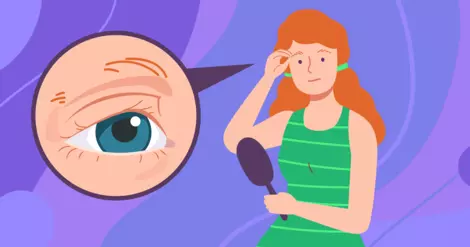
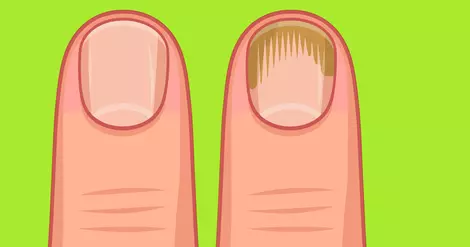
Other possible symptoms of alopecia areata in children include:
A doctor using a lighted tool called a dermoscope may see yellow dots (a buildup of skin and oil) or black dots (small spots where hairs have broken off) in bald patches.
In some children, hair may grow back within a few months, even without treatment. This hair regrowth may look white or very fine before returning to its usual color and texture.
Even with noticeable hair loss, alopecia areata usually doesn’t cause scarring, and it’s not contagious. Up to 65 percent of people with alopecia areata develop symptoms before age 16, and children account for about 18 percent of all alopecia areata cases.
Pediatric alopecia areata is relatively common, affecting about 1 in 1,000 children or teens. A study in JAMA Dermatology found alopecia areata may be more common in females and in Asian and Hispanic children.
Children can develop alopecia areata at any age, but those affected at age 5 or younger may be more likely to have more severe forms, such as alopecia totalis or alopecia universalis.
As with most autoimmune diseases, the exact cause of alopecia areata isn’t fully understood. Researchers know it happens when the immune system mistakenly attacks hair follicles, but it’s not clear why this starts. Genetics, stressful events, or viral infections may play a role.
Researchers believe certain genes may be triggered, causing the immune system to misfire. Because of this genetic component, children with a close family member who has alopecia areata may be at greater risk.
Children with autoimmune conditions — such as thyroid disease, psoriasis, or vitiligo — may also be more likely to develop alopecia areata. Skin diseases such as atopic dermatitis (the most common subtype of eczema) are also linked to a higher risk.
About half of children with alopecia areata will start to regrow hair within a year, even without treatment. Some may go through cycles of hair loss and regrowth, while others have long periods with little or no hair loss. About 5 percent eventually develop more severe forms of alopecia, which may need treatment.
Hair loss that starts very young, affects large areas of the scalp, or involves the sides and back of the scalp may be harder to treat.
As of March 2026, no treatments for children under 12 have been approved by the U.S. Food and Drug Administration (FDA) specifically for alopecia areata. Even so, dermatologists may still recommend certain treatments or suggest a wait-and-see approach. Treatment decisions often depend on your child’s age, the amount of hair loss, your doctor’s guidance, and your family’s preferences.
If you choose treatment, options may include:
Talk with your child’s doctor about the risks, benefits, and goals of each option to decide what’s right for your child.
A young child may not seem bothered by alopecia areata, but as they get older, they may become more self-conscious about their hair loss and how others see them. You might notice that they seem less confident or outgoing. They may also show signs of anxiety or depression.
A small survey of people ages 5 to 19 with alopecia areata showed that 48 percent of adolescents were embarrassed by their hair loss, and 52 percent limited their extracurricular activities or social events because of their condition. Children with alopecia areata may also face teasing or unwanted attention — 59 percent of the respondents reported being stared at or talked about. All these factors can affect a child’s emotional well-being.
Children may not always say how they feel or let you know they need emotional support. It’s important to watch for signs that they may be struggling, such as:
Talking about self-harm or harming themselves
If you notice these symptoms, or if your child says they feel embarrassed or are being bullied, start a conversation. Let them know you’re there to listen and support them. You can validate their feelings without rushing to fix the problem. Talk with a healthcare provider about mental health support.
Support groups can also help children with alopecia areata feel less alone. Some families also explore options like hats, scarves, hairstyles, custom wigs, or false eyelashes to help boost confidence and self-esteem.
On MyAlopeciaTeam, people share their experiences with alopecia, get advice, and find support from others who understand.
If your child has alopecia areata, what has helped you support them emotionally or build their confidence? Let others know in the comments below.
Get updates directly to your inbox.


 Continue with Facebook
Continue with Email
Continue with Facebook
Continue with Email
Continue with Facebook
Continue with Email
Continue with Facebook
Continue with Email
Become a member to get even more





 Join
Join
 Your Privacy Choices

This is a member-feature!
Sign up for free to view article comments.
We'd love to hear from you! Please share your name and email to post and read comments.
You'll also get the latest articles directly to your inbox.