
Powered By



Alopecia areata is an autoimmune condition that causes hair loss, often in round or oval patches. It can affect anyone, but women may be more likely than men to develop it, according to the National Alopecia Areata Foundation.
This article discusses alopecia areata in females. Understanding what it looks like, why it happens, and what treatments are available can help you make informed decisions and feel more in control.
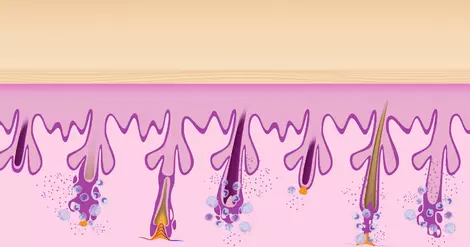
Alopecia areata is an autoimmune disease. In this condition, the immune system attacks healthy tissue — in this case, hair follicles.
Research shows that alopecia areata can run in families. Having a close relative with alopecia areata or another autoimmune disease increases your risk. However, many females with alopecia areata don’t have a family history.
Alopecia areata can happen at any age, from childhood through menopause and beyond. Many cases begin in childhood. Of the nearly seven million people in the United States with alopecia areata, about 20 percent are children.
People with alopecia areata are more likely to have other immune-related conditions, including autoimmune conditions such as vitiligo or thyroid disease. Some people also have atopic (allergic) conditions such as eczema or asthma.
Some people report that their alopecia areata symptoms began after a viral illness, major stress, surgery, or hormonal changes. These events may act as triggers in people who are already genetically prone to alopecia areata, but they don’t directly cause the condition. Scientists are still working to understand exactly how this happens.
There are many myths about what causes alopecia areata. The condition is not contagious — you can’t catch it from someone else. It’s also not caused by hair products, tight hairstyles, hair dye, or poor hygiene.
Alopecia areata is different from other common types of alopecia in females. For example, female pattern hair loss — also called androgenic alopecia — usually causes gradual thinning on the top or crown of the scalp and rarely forms smooth bald patches. In contrast, alopecia areata often starts suddenly and causes well-defined areas of little to no hair.
The most common sign of alopecia areata is one or more smooth, round bald patches on the scalp. These patches may start small and grow over time. Other possible symptoms include:
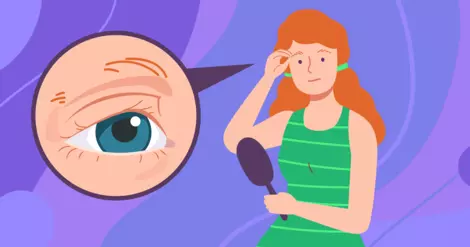
Sometimes hair is lost only on the scalp. Other times hair loss also affects the eyebrows, eyelashes, and body.
Yes. In some people, alopecia areata can progress instead of remaining limited to a few small patches. More extensive types of alopecia areata include:
It’s hard to predict how the condition will progress. Hair may grow back fully, partially, or not at all. Even after regrowth, hair can be lost again.
Alopecia areata can affect people of all races and hair types. However, it may look different depending on hair texture and styling choices. For example:
Hair styling choices don’t cause alopecia areata, but tight styles or frequent heat and chemical treatments can lead to other types of hair loss. Conditions like traction alopecia and central centrifugal cicatricial alopecia may look similar but have different causes and treatments. A dermatologist can help identify the type of hair loss and guide the next steps.
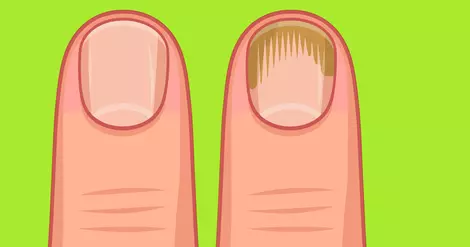
A dermatologist usually diagnoses alopecia areata by examining your hair, scalp, and nails. They may also use a dermoscope, a tool that magnifies the scalp, to take a closer look at the hair follicles.
In some cases, a healthcare provider may order blood tests to check thyroid function or rule out other autoimmune conditions. Rarely, they may recommend a scalp biopsy or send a hair sample to a lab for analysis if the diagnosis is unclear.
Diagnosis also involves ruling out other causes of hair loss, like traction alopecia, telogen effluvium, and frontal fibrosing alopecia. Early diagnosis can help you explore treatment options sooner.
There’s no cure for alopecia areata, but several treatments may help promote regrowth or slow hair loss. These include:
For more severe alopecia areata, some people may be treated with prescription pills called Janus kinase (JAK) inhibitors. JAK inhibitors can help hair grow back for some people, but they aren’t right for everyone and may require regular checkups and blood tests. A board-certified dermatologist can help you decide if this option makes sense for you.
Overall, it’s important to have realistic expectations. Even with treatment, regrowth can take months, hair may grow back white or fine at first, and some severe cases are harder to treat. Treatment decisions should be made with a dermatologist based on the extent of hair loss, your age, medical history, and personal goals.
Losing eyebrows or eyelashes can be especially distressing — these hairs help protect the eyes and play an important role in facial expression. Treatment options may include topical medications. Cosmetic options may include microblading, brow pencils, and false eyelashes.
Certain cosmetic solutions may help you feel more confident while managing hair loss. Choosing whether to use any of the following options is a personal decision:
Some insurance companies may cover wigs when prescribed as a “cranial prosthesis.”
Alopecia areata is an autoimmune condition that causes unpredictable hair loss. It’s not your fault. It’s not caused by hair styling choices, and it’s not contagious.
While there is no cure yet, treatment options may help with hair regrowth. Cosmetic options and emotional support can also be important parts of care. With clear information, medical guidance, and support from others who understand, you can make choices that feel right for you.
On MyAlopeciaTeam, people share their experiences with alopecia, get advice, and find support from others who understand.
What has your experience been like as a woman with alopecia areata? Let others know in a comment below.
Get updates directly to your inbox.


 Continue with Facebook
Continue with Email
Continue with Facebook
Continue with Email
Continue with Facebook
Continue with Email
Continue with Facebook
Continue with Email
Become a member to get even more





 Join
Join

 Your Privacy Choices

This is a member-feature!
Sign up for free to view article comments.
Can it cause white patches on skin
We'd love to hear from you! Please share your name and email to post and read comments.
You'll also get the latest articles directly to your inbox.