
Powered By



What do type 1 diabetes and alopecia areata have in common? Both are autoimmune conditions, which means the immune system mistakenly attacks the body’s own tissues. This can lead to inflammation and damage in different parts of the body. People who have one of these conditions are also more likely to develop another because of shared genetic (inherited) and environmental triggers. In fact, some research suggests that about 25 percent of people with one autoimmune condition develop another.
People who develop alopecia areata may also have another autoimmune condition, such as thyroid disease or type 1 diabetes. It’s also common for people with alopecia areata to have other related conditions like asthma, hay fever, vitiligo (loss of skin color), or eczema (a skin condition that causes itching and inflammation).
The key is treating each condition appropriately and not assuming that a treatment for one autoimmune condition will treat another. Talk with your healthcare provider about how to manage both conditions safely.
Here’s what you need to know about alopecia areata and type 1 diabetes.
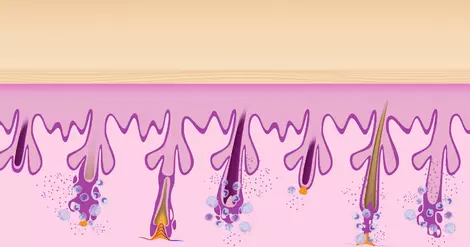
It’s normal for people to shed some hair every day. However, people with type 1 diabetes may have a higher risk of developing alopecia areata. This condition causes hair loss in round or oval patches, most often on the scalp. It can also affect other areas of the body, including the face (such as the beard), underarms, and legs.
Although this condition affects everyone differently, some common symptoms include:
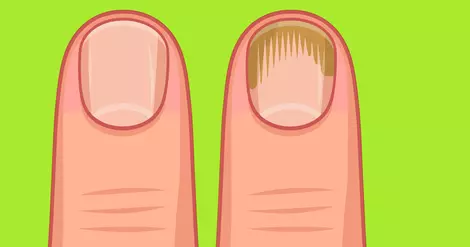
You may also notice changes in your fingernails, such as small dents (called nail pitting) or trachyonychia (a condition that makes nails look rough or like sandpaper). These changes are more common in people with more severe alopecia areata. Overall, up to about 30 percent of people with alopecia areata may have nail changes.
Hair loss can also affect how you feel emotionally. Some people may experience signs of depression, such as ongoing sadness or losing interest in activities they once enjoyed. Research suggests that people with alopecia areata are 30 percent to 38 percent more likely to be diagnosed with depression. People with type 1 diabetes also have a higher risk of depression compared with the general population.
Researchers believe type 1 diabetes and alopecia areata may share some of the same immune system pathways (how the immune system becomes activated). For instance, one study found that about 11 percent of people with alopecia areata also had type 1 diabetes. However, scientists are still working to understand exactly how the two conditions are linked. Here are some possible explanations for why type 1 diabetes and alopecia areata sometimes occur together.
Some researchers suspect that certain genes involved in alopecia areata may also play a role in type 1 diabetes.
For example, one study found that a gene active in both conditions may contribute to immune system-related cell damage, affecting hair follicles in alopecia areata and insulin-producing beta cells (cells in the pancreas that make insulin) in type 1 diabetes.
Alopecia areata and type 1 diabetes also share genes that affect T cells (a type of white blood cell that helps control immune responses). In both conditions, overactive T cells can lead to inflammation and damage to healthy tissues.
More recent research has identified shared genetic links, including the interleukin (IL)-2/21 gene, MICA gene, and IL-7RA gene. Researchers have also found connections in human leukocyte antigen (HLA) subtypes, proteins on cells that help the immune system tell the difference between your own cells and harmful invaders.
Sometimes, autoimmune conditions like alopecia areata and type 1 diabetes are linked to environmental triggers, such as stress, infections, or other exposures.
For example, some studies suggest that infections like Epstein-Barr virus (which causes mono) or rotavirus (which can cause vomiting and diarrhea) may be associated with a higher risk of developing type 1 diabetes. Alopecia areata has also been linked to viral infections such as Epstein-Barr, COVID-19, and swine flu.
Dietary factors may also play a role, but the evidence is limited and sometimes conflicting. For example, one study found that 71 percent of people with celiac disease (an autoimmune condition triggered by gluten, protein found in certain grains) reported improvement in alopecia areata symptoms after removing gluten from their diet. Other research suggests that early-life exposure to gluten may be linked to type 1 diabetes risk, but findings are not consistent.
Scientists have not proven that these environmental factors directly cause either condition. However, they may increase risk in people who are genetically predisposed (more likely due to their genes).
Overall, researchers are still learning about the connection between alopecia areata and type 1 diabetes, and more studies are needed to fully understand how and why they occur together.
While alopecia areata may improve on its own in some people, treatments, medications, and styling approaches can help manage symptoms, support hair regrowth, and reduce inflammation. Most people will need a treatment plan that’s tailored to their needs and preferences.
Treatment options may include:
It’s also important to manage your type 1 diabetes and keep your blood sugar levels in your target range. Eating a balanced, nutritious diet supports overall health. Talk with your healthcare provider before starting supplements, including vitamin D. While these steps won’t cure alopecia areata, they can support your overall health and help you manage both conditions.
Results can vary from person to person, and hair regrowth often takes time. Staying consistent with your care plan and checking in regularly with your healthcare provider can help you find what works best for you. If you’re feeling discouraged, support is available.
Reach out to a healthcare provider, such as a board-certified dermatologist, if you notice new or worsening patchy hair loss, especially if it develops quickly. Once you begin treatment, stay in touch with your provider and let them know if you have new symptoms (such as irritation or swelling), side effects from medications, or if your symptoms are not improving.
If your condition is affecting your self-esteem, causing distress, or affecting your quality of life, consider reaching out to a mental health professional. You can share if you’re feeling anxious, overwhelmed, or depressed about hair loss. These reactions are common and understandable, and mental health professionals can help you build coping skills and find support.
In the meantime, remember that it’s not uncommon for autoimmune conditions to occur together, and this is not your fault. Alopecia areata is not caused by poor hygiene or blood glucose (blood sugar) levels, and it is not contagious. With the right care plan, many people are able to manage symptoms and find approaches that work for them. If you have concerns, don’t hesitate to reach out to your healthcare team.
On MyAlopeciaTeam, people share their experiences with alopecia, get advice, and find support from others who understand.
If you have type 1 diabetes and have been diagnosed with alopecia areata, what have you done to cope with the condition and protect your mental health? Let others know in the comments below.
Get updates directly to your inbox.



 Continue with Facebook
Continue with Email
Continue with Facebook
Continue with Email
Continue with Facebook
Continue with Email
Continue with Facebook
Continue with Email
Become a member to get even more





 Join
Join

 Your Privacy Choices

This is a member-feature!
Sign up for free to view article comments.
We'd love to hear from you! Please share your name and email to post and read comments.
You'll also get the latest articles directly to your inbox.