
Powered By



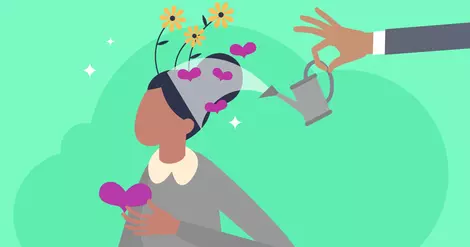
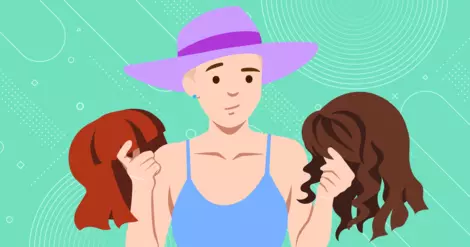
Many people see their hair as part of their identity and a way to express their personal style. Losing your hair can affect your sense of identity, self-esteem, and self-confidence. For some, losing hair can cause or worsen mental health conditions like depression or anxiety disorders.
People living with alopecia are up to 38 percent more likely to experience depression than those who don’t have hair loss. Even when hair grows back, the lasting impact of hair loss and the unpredictable nature of alopecia can affect your mental health and quality of life.
Whether it’s your first time noticing hair loss or you’re experiencing an alopecia relapse, losing your hair can cause negative feelings. Many people feel grief for the hair they lose or feel alone in their situation. Some might self-isolate because of these feelings, or because they don’t want others to see their hair loss.
All of these feelings are valid. Hair loss is a big change, and being diagnosed with any chronic disease can impact your emotional well-being. If negative feelings last for two weeks or longer, they may have progressed from typical emotions to clinical depression. Research shows that people who experience depression alongside a chronic illness have more severe symptoms of both depression and the disease itself.
Aside from cases in which alopecia leads to depression, the two conditions may also be linked in other ways. This may be due to risk factors they share.
Having an autoimmune disease increases your risk of depression by about 45 percent. Autoimmune diseases happen when your immune system mistakenly attacks healthy tissues in your body. Alopecia areata is one of these conditions. It affects the hair follicles, the structures in your skin that grow hair.
Some types of alopecia, like scarring alopecia and alopecia areata, involve inflammation that destroys hair follicles. Chronic inflammation is also a risk factor for depression. In addition, many doctors consider depression to be an inflammatory condition itself. Interestingly, antidepressants (medications for depression) have been shown to reduce inflammation.
Some hormone imbalances can put you at risk for both depression and hair loss. Androgenetic alopecia (male- or female-pattern baldness) is linked to hormone imbalances.
Telogen effluvium is a type of alopecia that can be caused by physical or psychological stress. Major stress in your life can also trigger or worsen depression.
It’s possible for depression to be the source of psychological stress that causes telogen effluvium. Telogen effluvium hair loss is usually temporary. But stress from the hair loss itself can add to the stress you already have from depression, which could make it last longer.
Some medications, including certain antidepressants, can cause enough stress in your body to trigger telogen effluvium. If you experience hair loss as a side effect of a drug, talk to your doctor before stopping that medication.
Your depression symptoms may not be the same as someone else’s. Everyone experiences depression in different ways. Your depression might be directly linked to your alopecia, or it may come from several factors, including your hair loss.
Recognizing the signs of depression can make it easier to know when it’s time to ask for help. Here are some of the most common symptoms of depression to look out for:
If you think your alopecia diagnosis is affecting your mental health, let your doctor know right away. This is especially important if you notice any of these symptoms for two weeks or longer.
Seeking help for depression is the first step in connecting with treatments that improve your mental health. Depression can be serious and even life-threatening, so there are times when getting help is urgent.
If you or a loved one is experiencing severe signs of depression, like suicidal thoughts or self-harm, seek help immediately. You can contact the Suicide Crisis Lifeline by dialing 988. You can also call 911 for emergency help if you or someone you know is in immediate danger.
The majority of depression cases are treatable. There are strategies that can help you cope with depression related to alopecia. Your doctor can treat your depression themselves or connect you with mental health professionals who can.
There are several ways you can manage depression. What works best for someone else might not be the best strategy for you. Many people find that a combination of treatments works best. Most depression treatments fall into three categories.
Psychotherapy with a trusted therapist allows you to talk about how you feel and work through your emotions, some of which may be new or unfamiliar to you. Psychotherapy, including cognitive behavioral therapy (CBT), can train you to reframe negative thoughts. Over time, this may become automatic. As you go through major life changes, individual or group therapy can teach you coping skills.
Antidepressants can reduce inflammation that contributes to depression. Evidence suggests that psychotherapy can do the same.
Antidepressants are medications designed to treat depression by blocking or balancing certain brain chemicals. You might get the best results from antidepressants if you take them alongside other depression treatments such as psychotherapy.
Not everyone with depression needs antidepressants to improve their symptoms. But your doctor or a psychiatrist may prescribe them if they think you could benefit from taking them. You may need to try several antidepressant types to find the one that works best for you. Always talk to your doctor before you change the dose of an antidepressant or decide to stop taking it.
Your healthcare provider might recommend specific lifestyle changes to help you feel better both mentally and physically. Regular exercise and healthy eating, for example, can go a long way in helping you cope with depression.
Some healthy lifestyle changes might also support hair regrowth. For example, some forms of alopecia are linked to nutrient deficiencies. In these cases, hair growth might improve with a more nutritious diet.
Your doctor or therapist may suggest coping and self-care strategies for managing alopecia and depression at the same time. The following strategies might improve your quality of life with alopecia-related depression:
Tell your doctor if you feel like your alopecia is affecting your mental health, especially if you have depression symptoms or a history of depression. They can evaluate you for depression and help you explore treatments to support your mental health.
Living with alopecia can be stressful, and depression can make it harder to keep up with treatment. Don’t hesitate to ask for help if you need mental health support.
On MyAlopeciaTeam, people share their experiences with alopecia, get advice, and find support from others who understand.
How has living with alopecia affected your mental health? Let others know in the comments below.
Get updates directly to your inbox.


 Continue with Facebook
Continue with Email
Continue with Facebook
Continue with Email
Continue with Facebook
Continue with Email
Continue with Facebook
Continue with Email
Become a member to get even more




 Join
Join
 Your Privacy Choices

This is a member-feature!
Sign up for free to view article comments.
We'd love to hear from you! Please share your name and email to post and read comments.
You'll also get the latest articles directly to your inbox.