
Powered By



Lupus is known for causing joint pain and skin rashes, but it can also cause many other symptoms, including alopecia (hair loss). This hair loss may be permanent and involve scarring, or it may be reversible and nonscarring.
Up to 85 percent of people with lupus will have hair loss at some point. If you notice changes in your hair, talk with your doctor about possible causes and ways to manage it.
Read on to discover how scarring and nonscarring alopecia differ in lupus, and why the distinction matters. You’ll also discover treatment options and the long-term outlook for both types of alopecia.
Hair thinning or loss may happen for several reasons in people with lupus:
Not everyone with lupus will have permanent hair loss. In some cases, your alopecia may be temporary, and your hair might eventually grow back. Your doctor will tell you which type of hair loss you have.
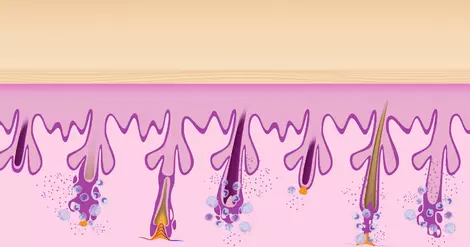
Temporary hair loss is called nonscarring alopecia. In this type of alopecia, inflammation disrupts hair growth without permanently destroying hair follicles.
The pattern of nonscarring hair loss may look like:
Scarring alopecia causes permanent hair loss. It happens when inflammation permanently damages the hair follicles and replaces them with scar tissue. This often affects people with cutaneous lupus erythematosus (CLE), a type of lupus that affects the skin.
One subtype of CLE is discoid lupus erythematosus (DLE), which is often the cause of scarring alopecia. Up to half of people with DLE have scalp symptoms, and more than two-thirds have permanent hair loss.
The pattern of hair loss in scarring alopecia may look like:
If you have nonscarring alopecia, your hair may grow back over time. But once scar tissue replaces the hair follicles, hair usually does not grow back. That’s why it’s important to get care early if you notice thinning hair or ongoing scalp changes, scaling, pain, itching, or burning.
Your rheumatologist, dermatologist, or other healthcare provider will create a treatment plan. Sometimes, this plan may help prevent more hair loss and protect the hair you do have.
If your doctor thinks you may have alopecia, your care team will start looking for the cause. First, they’ll do a full physical exam, including a close check of your scalp. The doctor will look for signs of hair loss, check your hair follicles, and look for signs of inflammation. They may use a handheld tool with a light and a magnifier to see your scalp more clearly. This is called dermoscopy. The doctor will also ask about your medical history, including your lupus symptoms and diagnosis.
In some cases, the healthcare provider may perform a scalp biopsy. This involves removing a small piece of tissue from your scalp and looking at it under a microscope. It may help the doctor distinguish lupus-related scarring alopecia from other causes.
Alopecia treatments depend on whether the hair loss is scarring or nonscarring. In both cases, the main goal is to treat the lupus causing the hair loss and help prevent more damage.
For nonscarring alopecia, the first treatment will be to control the underlying lupus. This is often done with medicines that control lupus, such as corticosteroids, antimalarials, and sometimes other immunosuppressing drugs. By reducing lupus inflammation and flares, you may see less hair loss.
Your provider may also prescribe treatments for skin symptoms, such as steroid creams. These may help heal your scalp lesions so hair can grow back.
If your lupus medication is causing your hair loss, the doctor might consider changing your treatment or dosage to control disease activity.
Doctors don’t recommend over-the-counter (OTC) medications to manage hair loss if your nonscarring alopecia is linked to lupus. That’s because many of these therapies aren’t effective on lupus-related hair loss. Doctors also advise against taking hair regrowth supplements. These may interact poorly with your lupus treatments. Ask your doctor if it’s safe for you to try any OTC hair regrowth treatments.
New hair growth takes time. Once your lupus is under control, it may take between three and six months before you see new growth. Talk to your doctor for a more accurate timeline based on your specific symptoms and treatment plans.
If you have scarring alopecia, treatment depends on how soon you’re diagnosed. If you detect scarring alopecia during the early stages, the doctor may be able to treat it before your follicles are completely destroyed. Once the follicle is replaced with scarring, you may have irreversible hair loss. At that point, treatment mainly focuses on stopping alopecia from getting worse.
To stop hair loss from getting worse, your doctor may prescribe medicine to control your lupus and skin symptoms. This may include anti-inflammatory medicines given as pills, injections, or creams. How long you take them depends on how well they control your symptoms. Some people may need to stop and start treatment over time, depending on when symptoms flare up.
Losing your hair can have a big effect on your quality of life, whether it is temporary or permanent. For many people, hair is closely tied to self-esteem and identity. Because of this, people cope with alopecia in different ways. Some choose to wear wigs or scarves, while others prefer to show their natural hair.
If you’re living with alopecia, you may want to change your hair care routine to help reduce shedding and protect the hair you still have. Doctors recommend using a gentle shampoo, such as baby shampoo. Avoid styling tools and treatments that can damage your hair, like curling irons and chemical treatments. It also helps to keep braids and ponytails loose, so they don’t pull on your scalp.
Some people choose to cover thinning or balding spots with a hairpiece, wig, or head scarf, but the choice is yours.
Not everyone wants to talk about their alopecia to others, and it’s up to you whether you choose to discuss it. Some people find it helpful to dispel myths when talking to friends and family about alopecia.
For instance, it may be important for you to tell others that alopecia isn’t contagious and that they can’t catch it. You might want to share that your hair loss isn’t due to stress or poor hair care. Awareness goes a long way in expanding knowledge about alopecia and lupus.
Exposure to ultraviolet rays from the sun may trigger or worsen certain types of lupus, especially DLE. You’ll need to stay out of the sun whenever possible. If you must be in the sunlight, try to cover your scalp with a hat or use sunscreen with an SPF of 50 or higher.
Remember to take care of your mental health as well. Losing your hair may affect your quality of life and could cause changes in your outlook, including depression or anxiety. If you’re experiencing mental health challenges, talk to your doctor right away. They can provide you with treatment strategies and may refer you to a mental health expert who can help.
Make sure your rheumatologist and your dermatologist are working together to help control both your alopecia and lupus. If your doctor doesn’t have experience with alopecia, ask for a referral to an alopecia expert.
Although lupus-related hair loss is not always permanent, early treatment may help. If you notice changes in your hair, talk to your doctor as soon as you can. With the right treatment and gentle hair care, some people are able to manage hair loss and keep their hair healthier over time.
On MyAlopeciaTeam, people share their experience with alopecia, get advice, and find support from others who understand.
How do you manage lupus-related alopecia? Let others know in the comments below.
Get updates directly to your inbox.


 Continue with Facebook
Continue with Email
Continue with Facebook
Continue with Email
Continue with Facebook
Continue with Email
Continue with Facebook
Continue with Email
Become a member to get even more





 Join
Join

 Your Privacy Choices

This is a member-feature!
Sign up for free to view article comments.
Meu couro cabeludo é coberto por vasos capilares finos; alguém mais apresenta esse sintomas?
We'd love to hear from you! Please share your name and email to post and read comments.
You'll also get the latest articles directly to your inbox.