
Powered By



Alopecia areata is a common autoimmune disease that causes patchy hair loss when your immune system mistakenly attacks your hair follicles. This condition has affected more than 7 million people in the United States and 160 million globally. And while alopecia areata can be managed and will sometimes go into remission, there is no certain cure for it.
Some people do experience hair regrowth, even without treatment. But there are also situations where even the most diligent efforts won’t keep you from experiencing flare-ups, and the condition can spread, or existing bald spots can grow larger.
Of course, this lack of certainty over how the condition will respond to treatment can be overwhelming and stressful. But knowing how to care for your alopecia areata as well as how to manage stress and avoid triggers can go a long way in creating the best environment for improvement. Here is what you need to know about managing alopecia areata and preventing it from spreading.
Everyone’s experience with alopecia areata is different. Some people will develop one coin-sized bald spot on their scalp, while others might lose all of the hair on their head and face (or develop alopecia totalis). Still others will lose all of their hair, including their body hair (or develop alopecia universalis).
Researchers aren’t sure exactly what triggers alopecia areata, but they speculate that genetic makeup, family history, stress levels, and environment all play a role. Here’s a closer look at some of the more common triggers for alopecia areata:
Controlling your stress levels and ensuring you’re getting good-quality sleep is essential to managing alopecia areata. Not only does experiencing a lot of stress affect your well-being, but it can also heighten your risk of depression and anxiety, especially if you’ve already been diagnosed with alopecia areata.
Researchers have found that having alopecia areata can increase the risk of depression. Plus, stress can go both ways. In other words, it can trigger alopecia areata, while having alopecia areata can heighten stress levels too.
For this reason, it’s important to prioritize your sleep and get gentle exercise like walking. You can also explore other stress-relief techniques like deep breathing, yoga, and meditation. In addition, practice saying no to commitments that stretch you too thin. Even joining a support group can alleviate stress, especially because it can connect you with people going through the same thing. Support groups also help reduce loneliness and isolation and help you recognize that you’re not alone.
If you have alopecia areata, try to be gentle with your scalp and hair. This means avoiding tight styles and aggressive brushing. Try to choose gentle shampoos and conditioners free of parabens and silicones, and limit or avoid harsh chemicals like straighteners, perms, or colorants in order to support your hair growth. Here are some other ways to protect your hair and scalp:
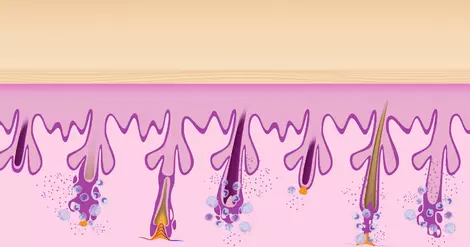
It’s important to note that alopecia areata is not a contagious condition, and it’s not caused by poor hygiene. Instead, it is an autoimmune disorder that causes the immune system to attack the hair follicles. This causes inflammation, irritation, and eventually patchy hair loss.
When you have alopecia areata, it’s important to support your health and treatment plan with proper nutrition. Not only does eating a balanced diet ensure you’re getting the appropriate vitamins and minerals, but you can also eliminate some nutritional deficiencies. The key is to avoid fad diets, which can exacerbate hair loss, or supplements that claim to “cure” alopecia areata.
If you do suspect that you have a nutritional deficiency like iron or vitamin D, talk to a healthcare provider. They can do a simple blood test to see if you have any deficiencies and then advise you on which nutrients you should supplement with and how much to take at a time. Taking some vitamins or minerals without input from a healthcare provider can interfere with your current medications or become toxic if you take too much at one time.
While there’s no cure for alopecia areata, there are treatments and medications that can help reduce inflammation in your hair follicles, boost your hair health, and possibly promote hair regrowth. For this reason, you need to see a board-certified dermatologist at the first sign of alopecia areata. Here are some of the more common treatment options for alopecia areata that they may discuss with you:
On MyAlopeciaTeam, people share their experiences with alopecia, get advice, and find support from others who understand.
If you have alopecia areata, have you taken steps to manage your condition? Were they effective? Let others know in the comments below.
Get updates directly to your inbox.


 Continue with Facebook
Continue with Email
Continue with Facebook
Continue with Email
Continue with Facebook
Continue with Email
Continue with Facebook
Continue with Email
Become a member to get even more





 Join
Join

 Your Privacy Choices

This is a member-feature!
Sign up for free to view article comments.
I don't think anything can stop it
We'd love to hear from you! Please share your name and email to post and read comments.
You'll also get the latest articles directly to your inbox.