
Powered By



Seeing bald patches on your face may feel surprising or upsetting. About half of men experience baldness by 65, according to the National Council on Aging, but many don’t expect to lose beard hair.
Several conditions can cause your beard to fall out, but the most common is alopecia areata barbae. Keep reading to learn why this condition occurs and how it’s treated.
Beard hair loss is often caused by alopecia areata barbae, a type of alopecia areata. In this autoimmune condition, the immune system attacks hair follicles. The word “barbae” means “beard” in Latin.
About 2 percent of men will experience beard alopecia areata at some point. The average age when it starts is 31.
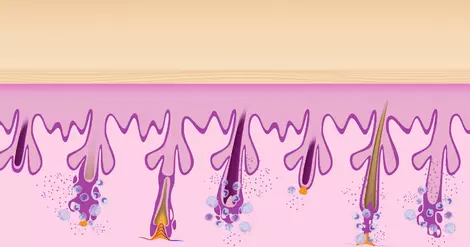
Hair grows from tiny openings in the skin called follicles. Alopecia areata barbae happens when inflammation disrupts the hair growth cycle, causing hair to fall out. To understand why, it helps to know the three stages of hair growth:
With alopecia areata, the immune system mistakenly attacks hair follicles. This causes hair to enter the catagen and telogen stages too early, leading to hair loss.
Researchers don’t fully know what causes alopecia areata barbae. Stress or depression may trigger the autoimmune response in some people. You may be more likely to develop this condition if you have a family history of alopecia areata or other autoimmune disorders, such as thyroid disease or type 1 diabetes. Conditions like asthma or atopic dermatitis may also increase risk.
Alopecia areata barbae usually starts as small, round patches of hair loss in the beard area. These patches often appear along the jawline but can spread to other parts of the face or scalp.
As the condition progresses, the coin-sized areas may grow, merge, and form larger bald patches. Because alopecia areata barbae is linked to inflammation, the exposed skin may look discolored or irritated but usually appears smooth, although it may feel slightly rough.
Hair around the affected areas may also look different from the rest of the beard. It can sometimes turn white, and hairs around the edges of the patch may have a narrow base. These “exclamation mark hairs” may fall out more easily.
Alopecia areata can’t be cured, but it can be managed. Lost beard hair may grow back on its own, although it may come in thin, patchy, or a different color. Because beard hair grows quickly and alopecia areata affects hair in the anagen stage, alopecia areata barbae may be more difficult to control than hair loss in other areas.
If beard hair doesn’t regrow on its own, several effective treatment options can help. These therapies tend to work better when more than half of the original beard hair remains.
Common treatments for alopecia areata barbae include:
More severe cases may be treated with:
Lifestyle may also support healthy hair growth. Getting enough vitamins and minerals — especially vitamin D — can help. If you think your vitamin D levels may be low, talk with your healthcare provider about testing or D supplements. Gently washing your beard with a mild cleanser or shampoo can help avoid irritation, although it won’t treat alopecia areata barbae.
Not all beard hair loss is caused by alopecia areata barbae. Other conditions can also lead to hair loss, although they may look different.
A condition called telogen effluvium can cause temporary beard hair loss. Unlike alopecia areata, it usually affects larger areas. Instead of causing small bald patches, hair sheds more evenly, leading to overall thinning. It typically doesn’t cause itching or discoloration.
Causes of telogen effluvium include psychological stress, physical stress (such as surgery), thyroid problems, and poor nutrition. Some medications — including retinoids, beta-blockers, and nonsteroidal anti-inflammatory drugs (NSAIDs) — can also trigger telogen effluvium.
Shaving can lead to folliculitis barbae — inflammation or infection of hair follicles. This condition can cause itchy, tender skin and discolored, sometimes pus-filled bumps around hair follicles.
If not treated, folliculitis barbae can lead to scarring and hair loss. Using clean, disposable razors and proper shaving techniques may help prevent it. Depending on the cause, treatment may include antibiotics or antiviral medications.
Tinea barbae is a rare fungal infection that more often affects people who work with farm animals. It causes discolored, ring-shaped rashes on the cheeks, chin, neck, or upper lip.
The rash is itchy but not painful. Without treatment, tinea barbae can lead to inflamed, pus-filled areas and patchy hair loss.
Consider seeing a dermatologist if you see changes in your beard pattern or new hair loss on your face. Take note of when the hair loss started and whether it happened around the same time as anything else, such as stress or medication changes. Also note whether you’ve lost hair in other areas or have other symptoms. This information can help your healthcare provider make an accurate diagnosis.
Your doctor will perform a skin exam and may order tests, such as blood tests to check for autoimmune issues or lab tests to look for fungal infections. Once the cause of your beard hair loss is identified, your doctor can recommend a treatment plan based on your needs.
On MyAlopeciaTeam, people share their experiences with alopecia, get advice, and find support from others who understand.
Have you experienced loss of your facial hair? Which treatments did you find helpful? Let others know in the comments below.
Get updates directly to your inbox.


 Continue with Facebook
Continue with Email
Continue with Facebook
Continue with Email
Continue with Facebook
Continue with Email
Continue with Facebook
Continue with Email
Become a member to get even more





 Join
Join

 Your Privacy Choices

This is a member-feature!
Sign up for free to view article comments.
We'd love to hear from you! Please share your name and email to post and read comments.
You'll also get the latest articles directly to your inbox.