
Powered By



You may not think of diabetes right away when looking for possible causes of alopecia. However, people living with type 2 diabetes may have a higher risk of hair loss than the general population.
Not everyone with alopecia has blood glucose changes or other diabetes symptoms, but it’s important to understand how these conditions may be linked. Read on to learn why hair loss can happen with type 2 diabetes and when it’s time to see a doctor.
Type 2 diabetes is a chronic disease that happens when your body doesn’t use insulin properly. This makes it hard to maintain healthy blood glucose (blood sugar) levels. Over time, high blood glucose levels can build up and cause damage.
Type 2 diabetes is more common in older adults, but it can affect people of any age. Risk factors include:
Not everyone with type 2 diabetes has symptoms. Sometimes the condition is found during routine blood tests. When symptoms do occur, they may include feeling thirstier or hungrier than usual, needing to urinate often, feeling tired, having blurred vision, or getting infections without a clear cause.
If you’re living with diabetes, several factors can overlap and lead to hair loss. Your healthcare provider can help find the exact cause of your alopecia. Still, some factors may raise your risk more than others.
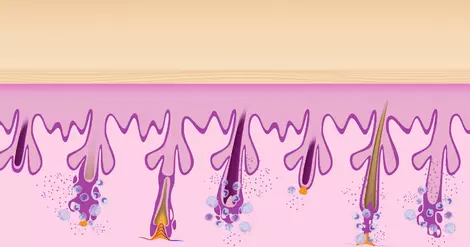
High blood glucose levels can damage the blood vessels that deliver oxygen and nutrients to hair follicles. When the follicles don’t get enough nourishment, the hair growth cycle can be disrupted. Hair follicles may stay in a resting state, in which new hair growth stops. This can lead to alopecia.
Not everyone with diabetes has hair loss, but many people with the condition report alopecia. In one study of more than 5,000 African American women with type 2 diabetes, researchers found a 68 percent higher risk of hair loss at the center of the scalp, also called the crown.
Hair loss caused by blood vessel damage in type 2 diabetes is often not permanent. One study found that when people managed their blood sugar levels, their hair often grew back.
Not everyone uses insulin the same way. Some people develop insulin resistance, which means their cells don’t respond properly to insulin. This can cause glucose to build up in the blood. Insulin resistance is often linked to hormone changes from conditions like Cushing’s syndrome or polycystic ovary syndrome (PCOS).
These hormonal shifts can lead to hair loss. For example, PCOS causes the body to make higher levels of androgens (hormones related to testosterone). One study found that 22 percent of participants with PCOS had androgenic alopecia, a type of hair loss that causes either thinning of the crown and temples or a widening of the part and overall thinning of the hair.
Hair loss related to insulin resistance and hormone changes may or may not be permanent. Untreated androgenic alopecia can lead to permanent hair loss. However, some studies suggest that treating insulin resistance may help reverse hair loss. Talk with your doctor about your type of hair loss and whether it may be temporary.
You may have other health conditions along with type 2 diabetes. Some can also cause hair loss. For example, alopecia areata is an autoimmune condition that causes hair loss. One study found that prediabetes (a condition that can lead to type 2 diabetes) was more common in people with alopecia areata than in the general population. Another study found that diabetes may raise the risk of developing alopecia areata.
More research is needed to confirm this link. Some researchers believe both conditions may be connected through long-term inflammation in the body.
Other conditions can also cause alopecia. For instance, eczema can cause hair loss that’s usually temporary. Hair often grows back once eczema is treated.
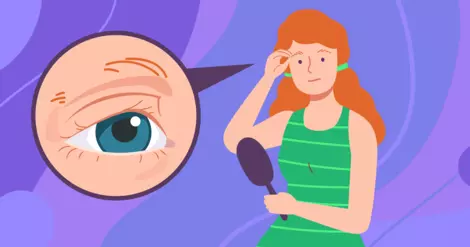
Some people with both thyroid disorders and diabetes also have hair loss. The thyroid makes hormones that affect how your body uses insulin. Up to 48 percent of people with diabetes also have a thyroid disorder. People with an underactive thyroid may lose hair from the outer part of their eyebrows. An overactive thyroid has also been linked to hair loss.
Thyroid conditions such as Hashimoto’s thyroiditis can also cause hair loss, including alopecia areata. In many cases, hair grows back after the thyroid condition is treated, often within a few months.
If you’re living with other conditions along with type 2 diabetes, talk with your doctor about which condition may be causing your hair loss.
Some people notice that hair loss occurs as a side effect of type 2 diabetes medications. For instance, glucagon-like peptide 1 (GLP-1) receptor agonists are commonly prescribed for type 2 diabetes. Research is mixed on whether these medications cause hair loss. Some studies suggest a link to alopecia, while others report that these drugs may help support hair regrowth.
Metformin, another common treatment for type 2 diabetes, isn’t usually known to cause hair loss. However, metformin may cause vitamin B12 deficiency. B vitamins, including B12, play an important role in healthy hair growth. Low B12 levels may contribute to alopecia or thinning hair.
Don’t stop taking your diabetes treatments without first talking to your doctor. Stopping treatment suddenly can be dangerous and, in some cases, life-threatening. If you’re concerned about hair loss, talk with your doctor about whether your medications could be a factor.
High blood sugar levels in type 2 diabetes can damage blood vessels and reduce blood flow. Over time, this can cause circulation problems, especially in the legs, feet, and hands. Poor circulation can lead to hair loss on the feet and legs. Healthcare providers may check for hair on your toes or feet as a simple way to assess circulation and look for early signs of diabetic neuropathy.
This type of hair loss is different from hair loss on the scalp, but it can still feel upsetting. Body hair loss due to poor circulation usually isn’t permanent, but let your doctor know if you notice this change.
Hair loss can happen if your body is missing certain nutrients. One study found that about half of people with type 2 diabetes had nutrient deficiencies. Low levels of certain nutrients may lead to hair loss. For instance, B vitamins, zinc, iron, and vitamin C are vital to hair health.
For many people, eating a nutritious, balanced diet helps support hair health. If your hair seems thinner, ask your doctor if you may be low in certain nutrients. A blood test can help identify any gaps, and your doctor may recommend strategies to improve your nutrition.
Stress, either psychological or physical, can lead to a type of hair loss called telogen effluvium. This type often starts two to three months after a stressful event.
High blood glucose levels can put stress on your body and may trigger telogen effluvium in people with type 2 diabetes. Living with diabetes can also cause emotional stress, which may play a role.
Hair shedding from telogen effluvium is usually temporary and resolves on its own about 95 percent of the time.
Reach out to your care team if you notice hair loss. This is especially important if the hair loss is sudden, patchy, or accompanied by new symptoms. Your healthcare provider can help identify the cause and suggest ways to manage hair loss without affecting your diabetes care.
On MyAlopeciaTeam, people share their experiences with alopecia, get advice, and find support from others who understand.
Have you had hair thinning or loss with type 2 diabetes? Let others know in the comments below.
Get updates directly to your inbox.


 Continue with Facebook
Continue with Email
Continue with Facebook
Continue with Email
Continue with Facebook
Continue with Email
Continue with Facebook
Continue with Email
Become a member to get even more





 Join
Join

 Your Privacy Choices

This is a member-feature!
Sign up for free to view article comments.
We'd love to hear from you! Please share your name and email to post and read comments.
You'll also get the latest articles directly to your inbox.